Father José María Román, C.M. explains why Saint Vincent de Paul is to be considered a key figure in the history of the holiness of the Church. (Part 3 of 3)
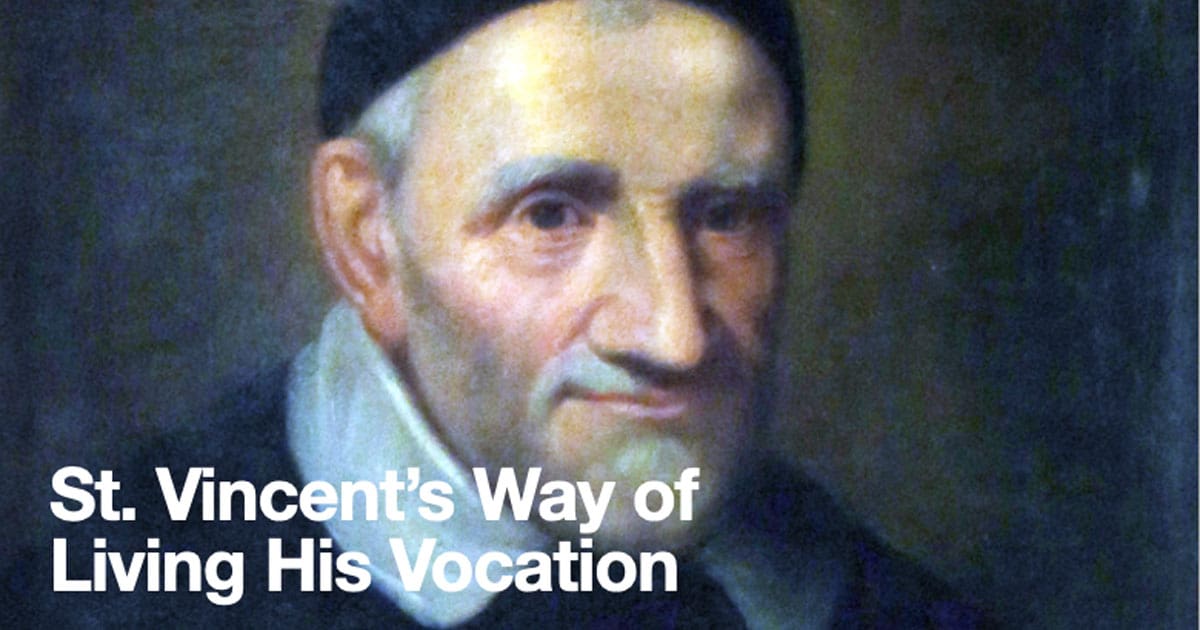



Father José María Román, C.M. explains why Saint Vincent de Paul is to be considered a key figure in the history of the holiness of the Church. (Part 3 of 3)

We all get surprised by life and its ups and downs. We are often forced to rethink our dreams. Sometimes we discover or rediscover our mission through these ups and downs.
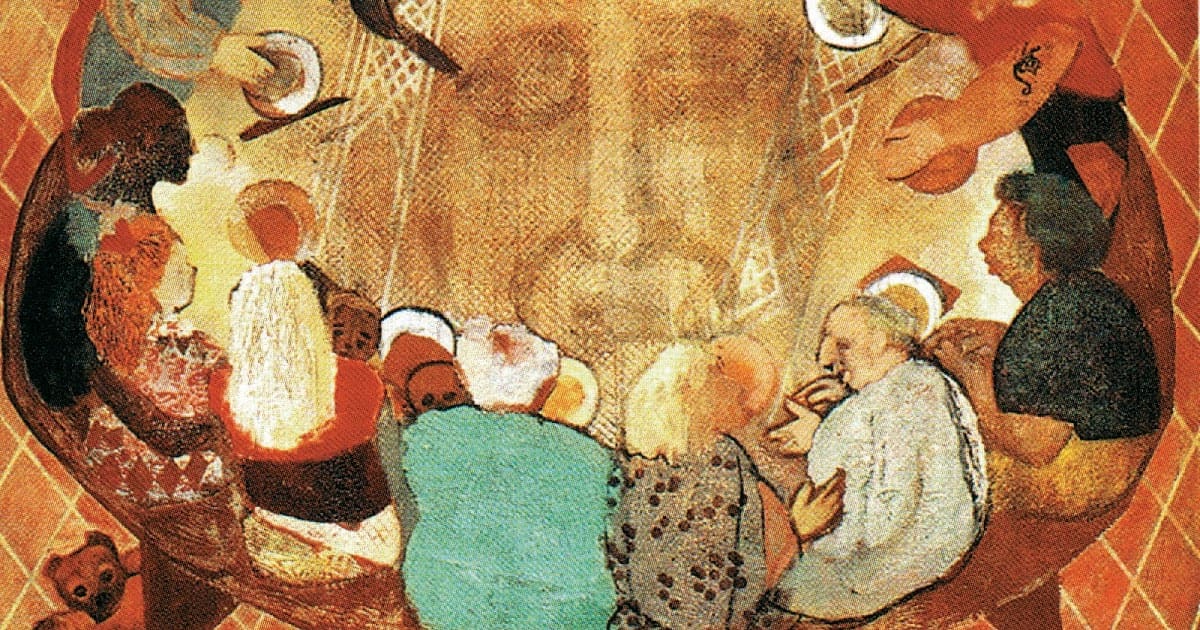
Who is a VIncentian? Is it an organization, a mindset, a federation of religious organizations? Let me suggest that it is a way of looking at things shared by a number of people.
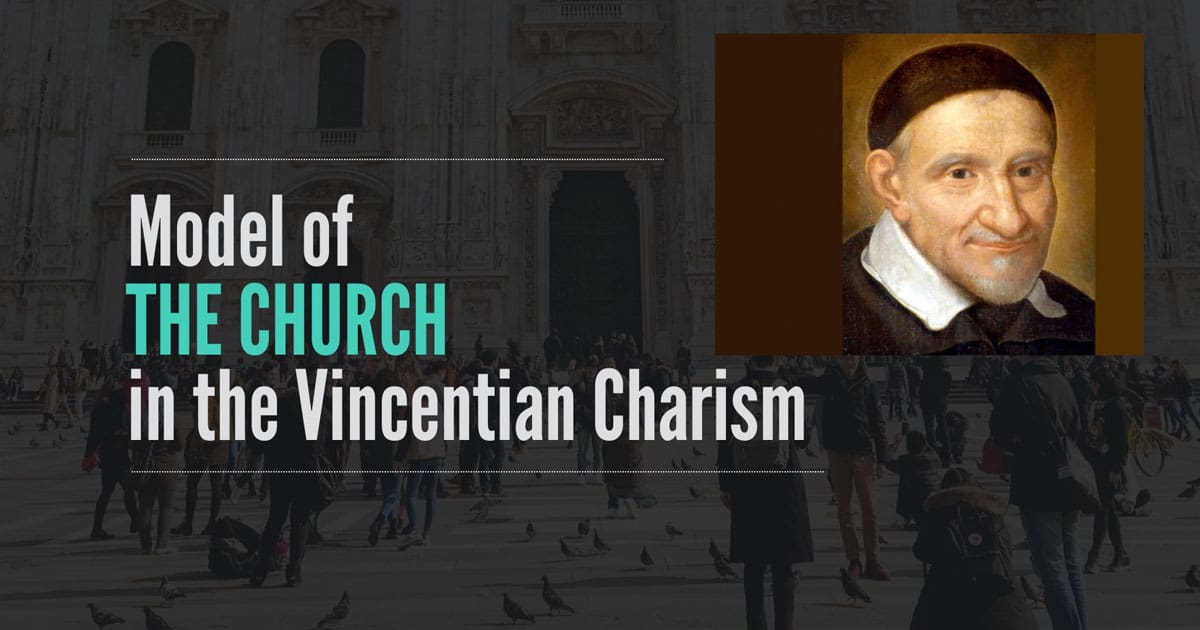
St. Vincent can be considered a precursor or prophet of the vision of the Church centered on the poor.
On February 3, 1892, four Daughters of Charity stepped off the train in El Paso, Texas, USA. Within a day the Sisters had laid the foundations for Hotel Dieu hospital, an institution that would welcome thousands of El Pasoans into the world, provide critical care for...
“The health of the charism is seen in its vitality wherever it is received, nurtured and made operative. For many religious institutes today, this is happening more and more among the laity who are associates.”

Living simply, caring for our planet and conserving resources, … are just a few of the ways we continue to live out the charism.
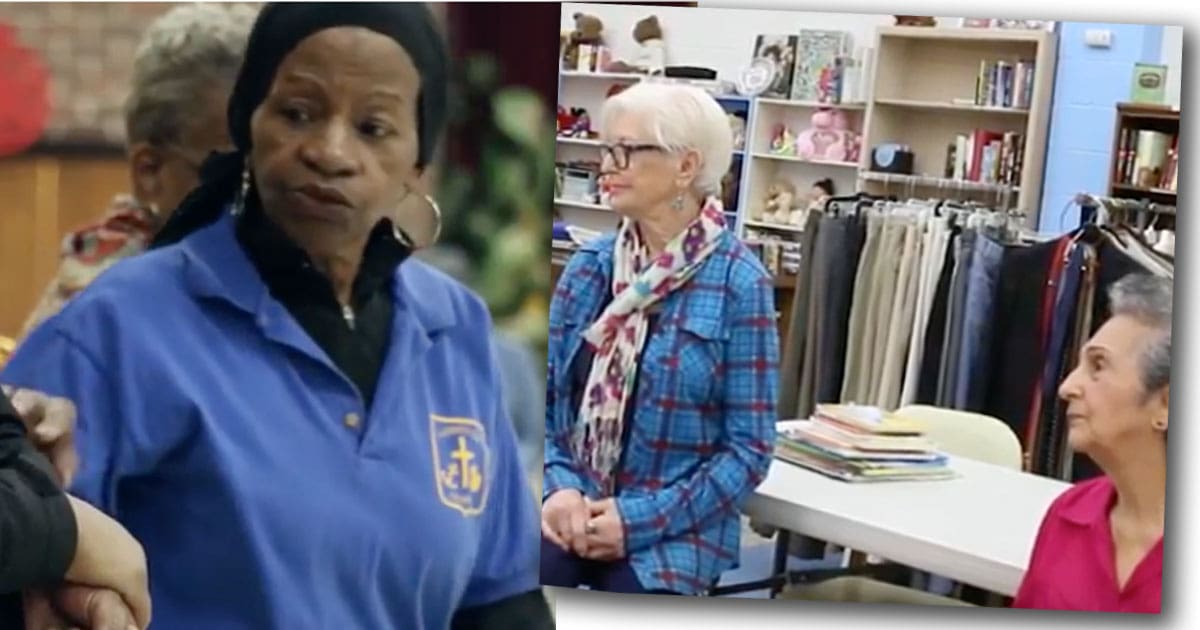
See the Vincentian spirit in action in a video filmed on location at Ladies of Charity Associations across the USA.
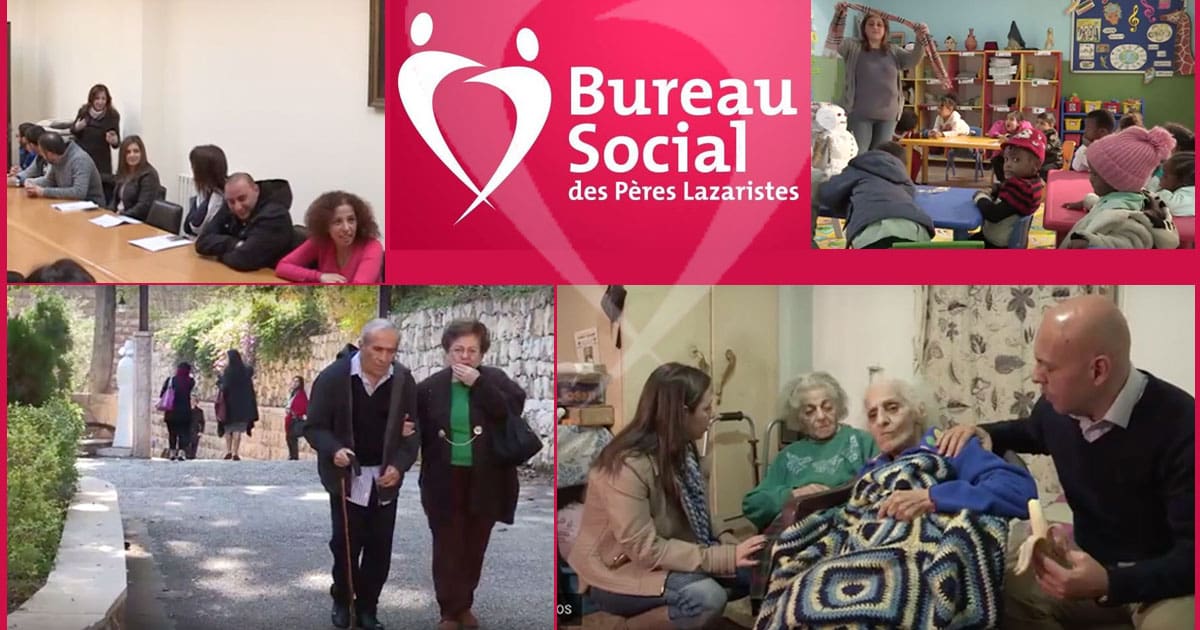
Spend six minutes being inspired by the Vincentian charism in action!
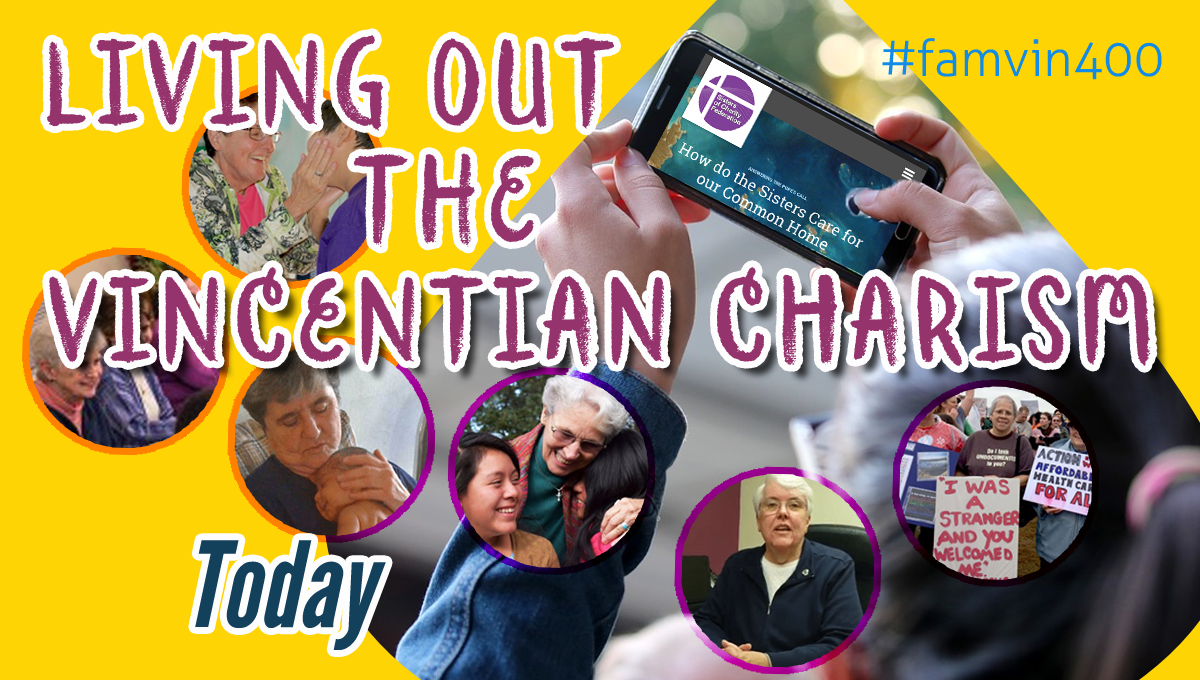
A brief overview of the Sisters of Charity Federation on their anniversary reveals quite vividly that the charism embraces today’s challenges in many ways.
"Reflections from the Vincentian Family Symposium" During the days of the Rome Symposium of the Vincentian Family I was paying attention to signs, words, conversations that signal a new interpretation of our Vincentian charism in an entirely new reality. I left Rome...
The following presentation titled “Open My Eyes”, based on a prayer from the St. Vincent de Paul Society, reflects the essence of our ministry and mission.