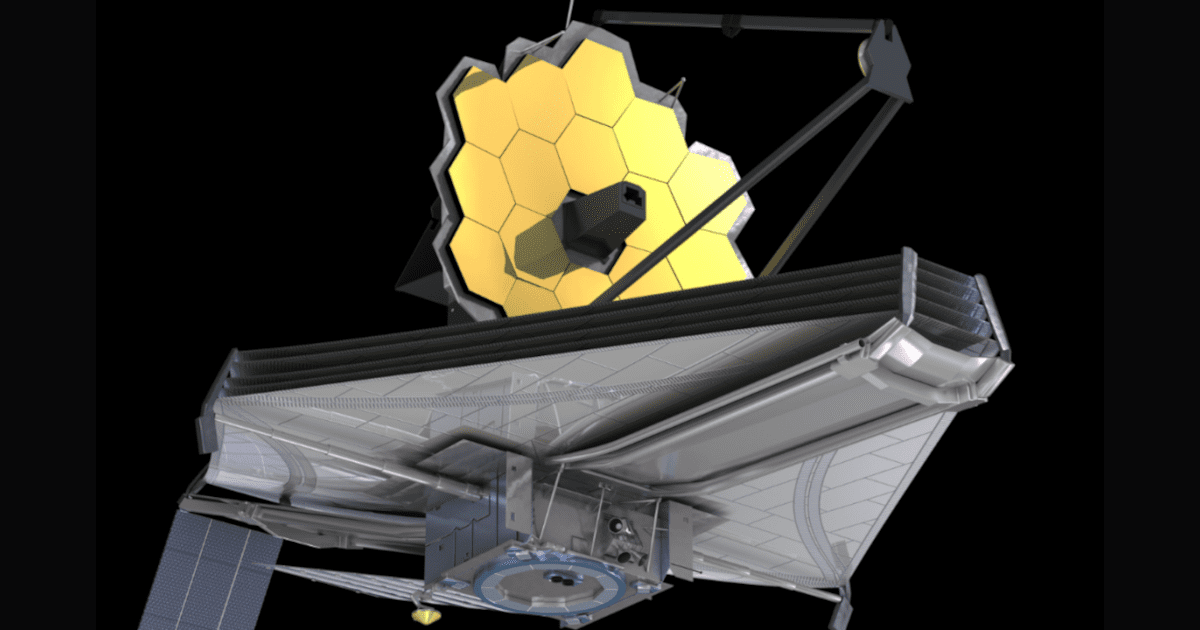
We see so little of God’s creation! Yet we still think of our world as the center of creation, our culture as the model for all cultures.



Author
We see so little of God’s creation! Yet we still think of our world as the center of creation, our culture as the model for all cultures.

My personal relationship with my grandparents is complicated. I never knew either my father’s or mother’s parents.
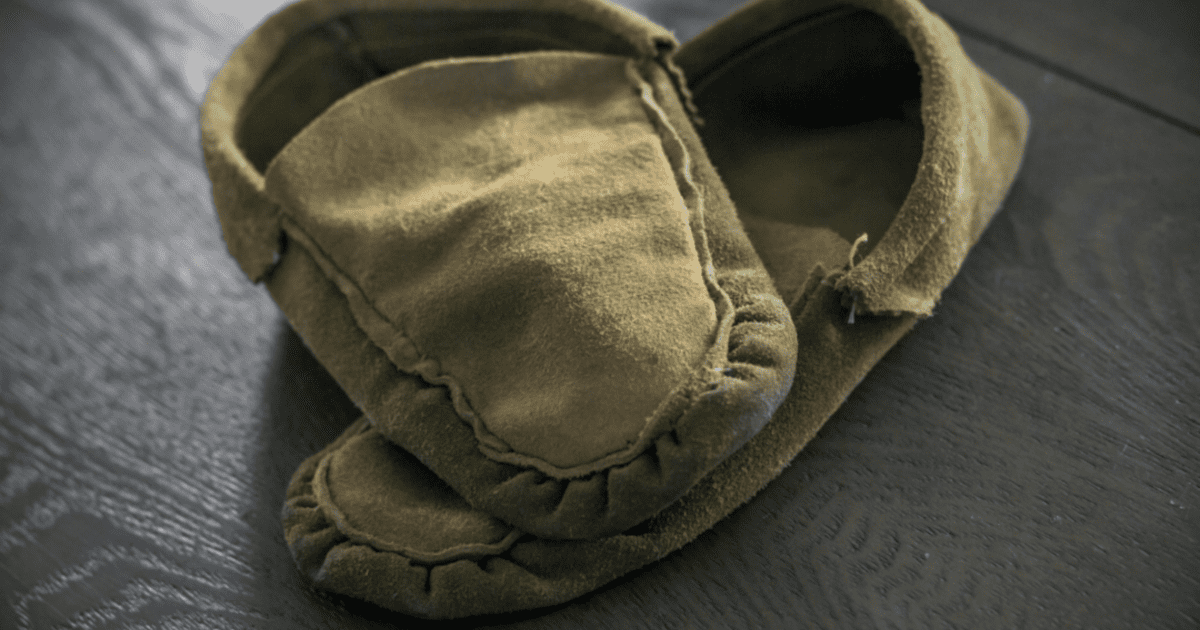
Have you ever walked a mile in another’s moccasins? … in the moccasins of their sufferings?

In “The Tempest,” Shakespeare wrote, “What’s past is prologue!” Antonio is rationalizing the past as setting the stage for their next act, as a prologue does in a play.

I was implicitly taught to regard that as a distraction from focusing on the Body of Christ I just received. Suddenly, with insight, I became grateful for this “distraction”! What changed?
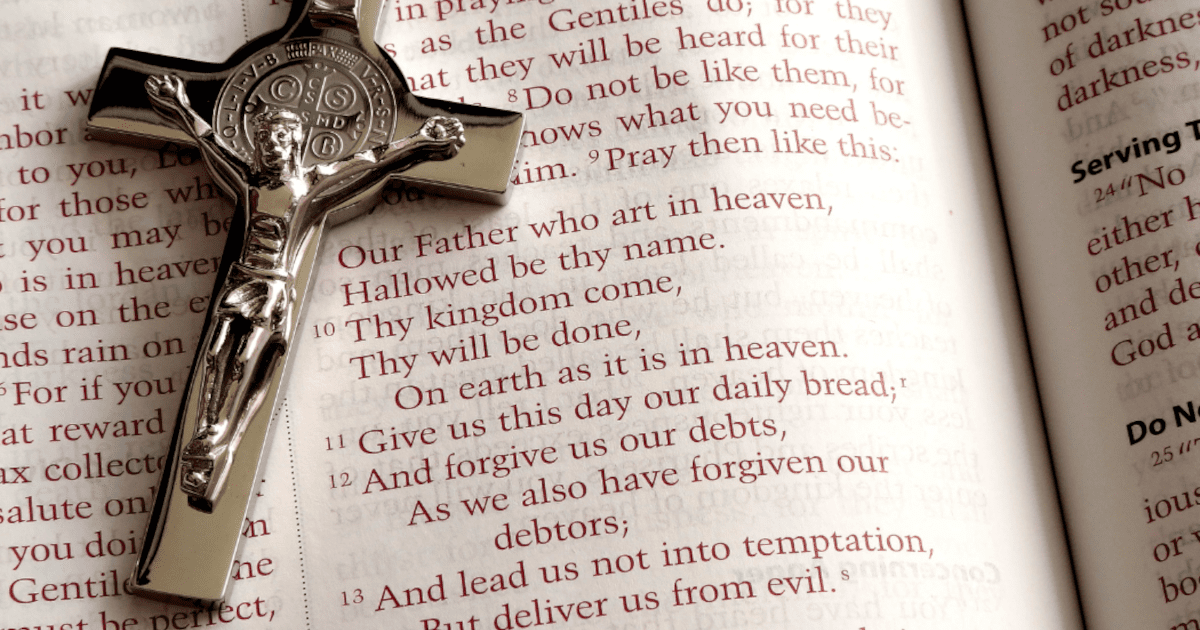
Heard any really “shocking statements” in the last 24 hours?
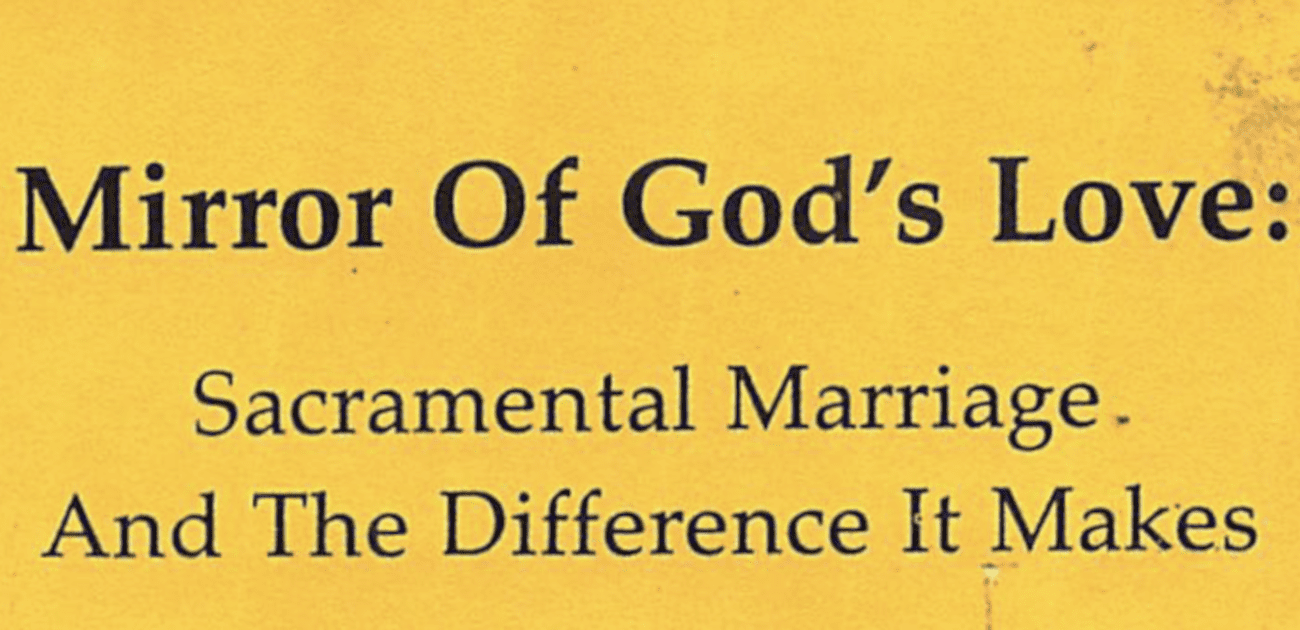
This Vincentian Mindwalk started out as a virtual journey to Rome for the 10th World Meeting of Families in 2022. To my surprise, it developed into a reflection on what the church can learn from “happy marriages.” I have had a life-long interest in the family as an...
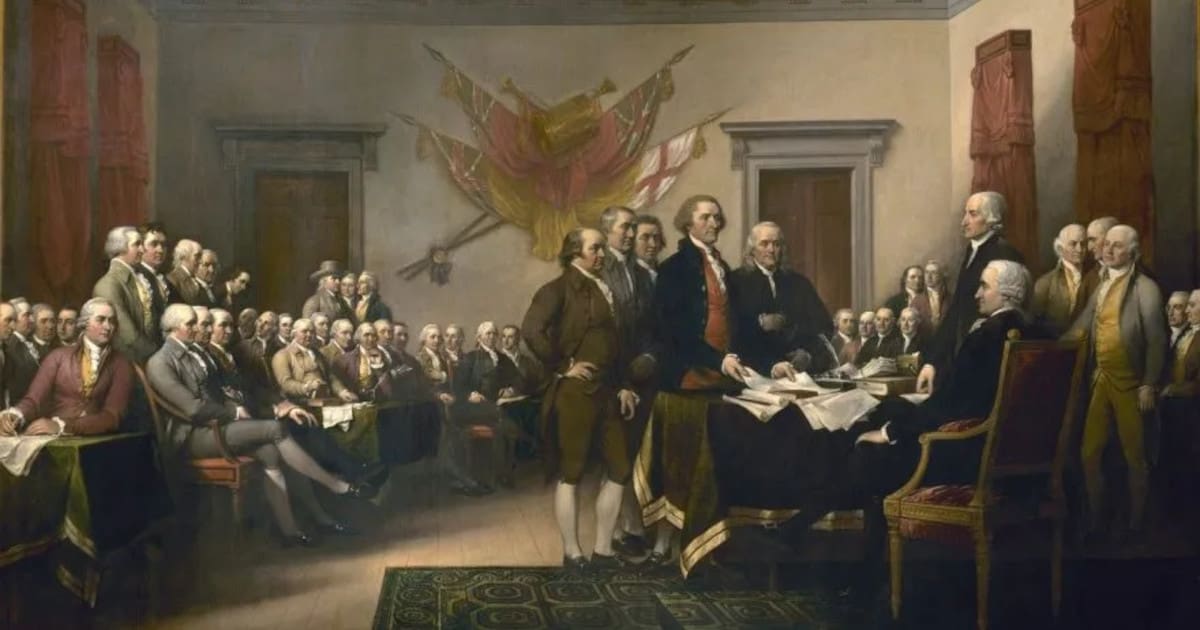
Recently, I wandered through the corridors of my mind reflecting on Independence Day. I ran into Charles Dickens. His “Christmas Carol” has inspired many people to look at their lives through the lens of their past, future, and present.

Highlights from Part 2 of a truly prophetic forgotten document published by the U.S. Catholic Bishops more than a quarter-century ago.
In this Vincentian Mindwalk, I invite you to make your own judgment about how prophetic it was then … and still should be.