Louise de Marillac, awakened by her faith in a God who takes the side of the poor, sees the person in distress and takes action.
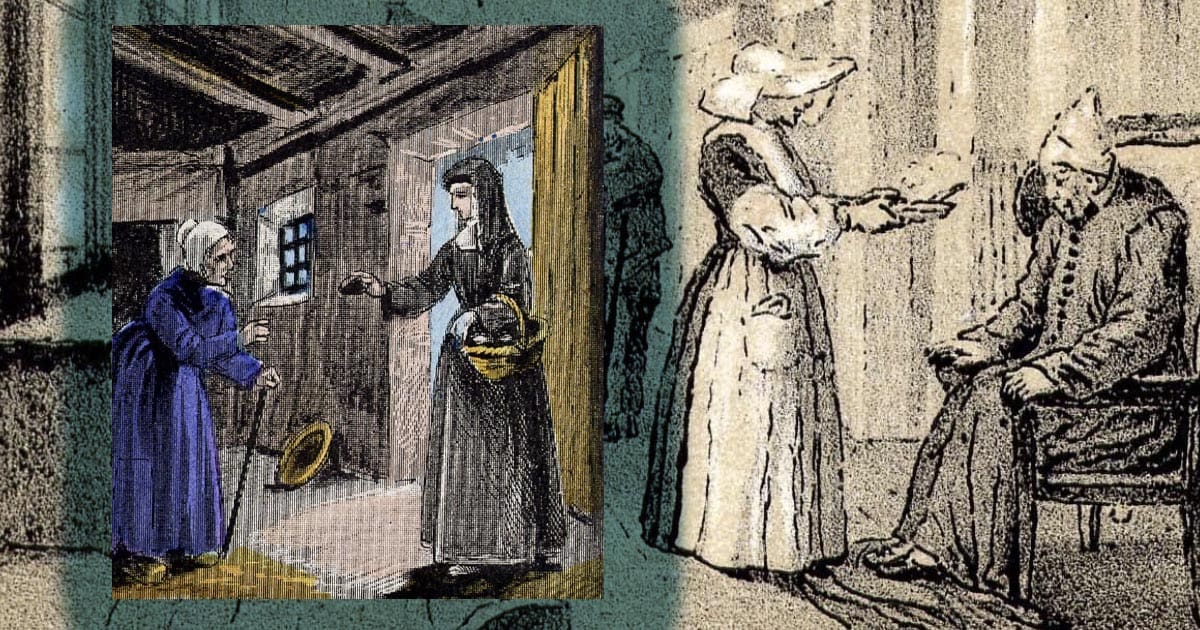



Louise de Marillac, awakened by her faith in a God who takes the side of the poor, sees the person in distress and takes action.
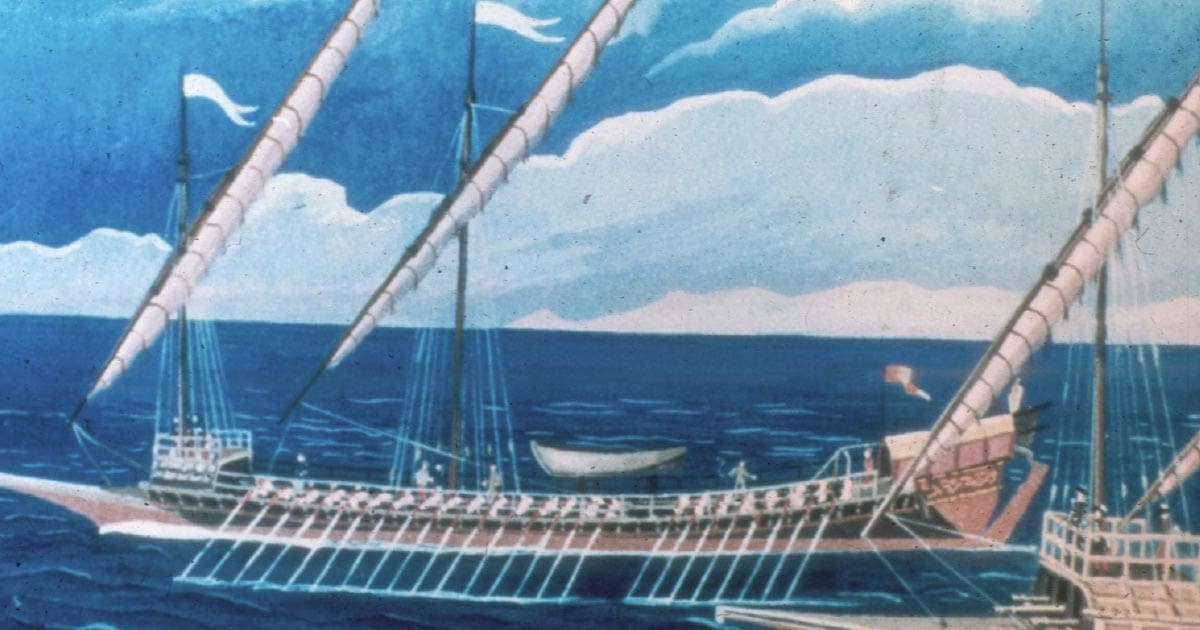
Louise de Marillac, awakened by her faith in a God who takes the side of the poor, sees the person in distress and takes action.
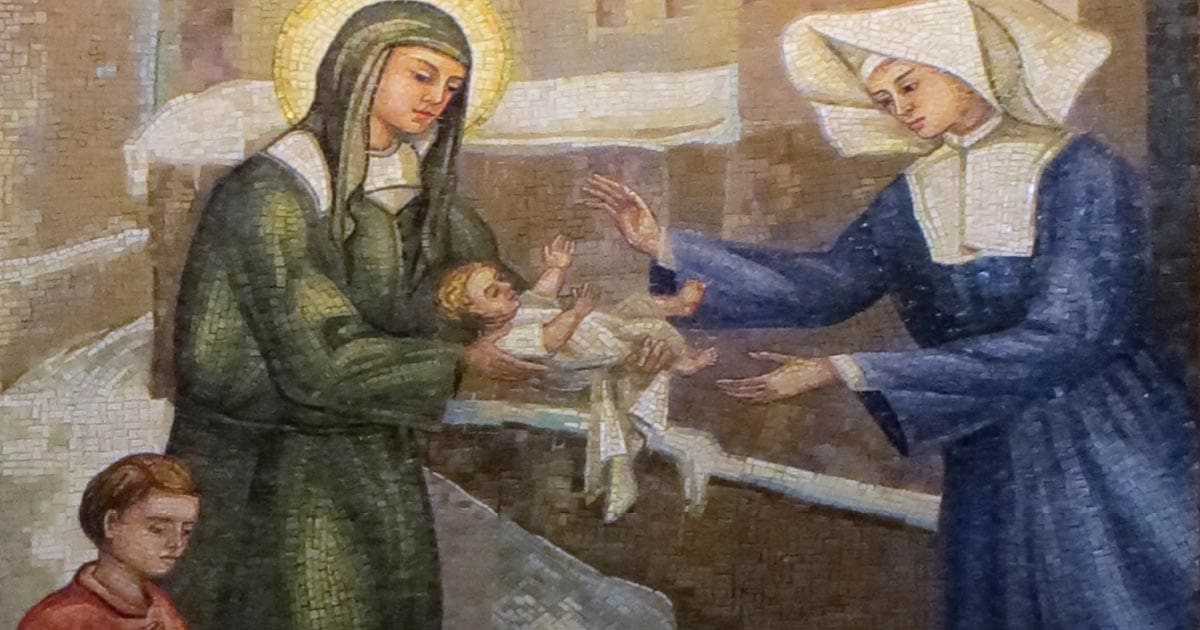
Louise de Marillac, awakened by her faith in a God who takes the side of the poor, sees the person in distress and takes action.
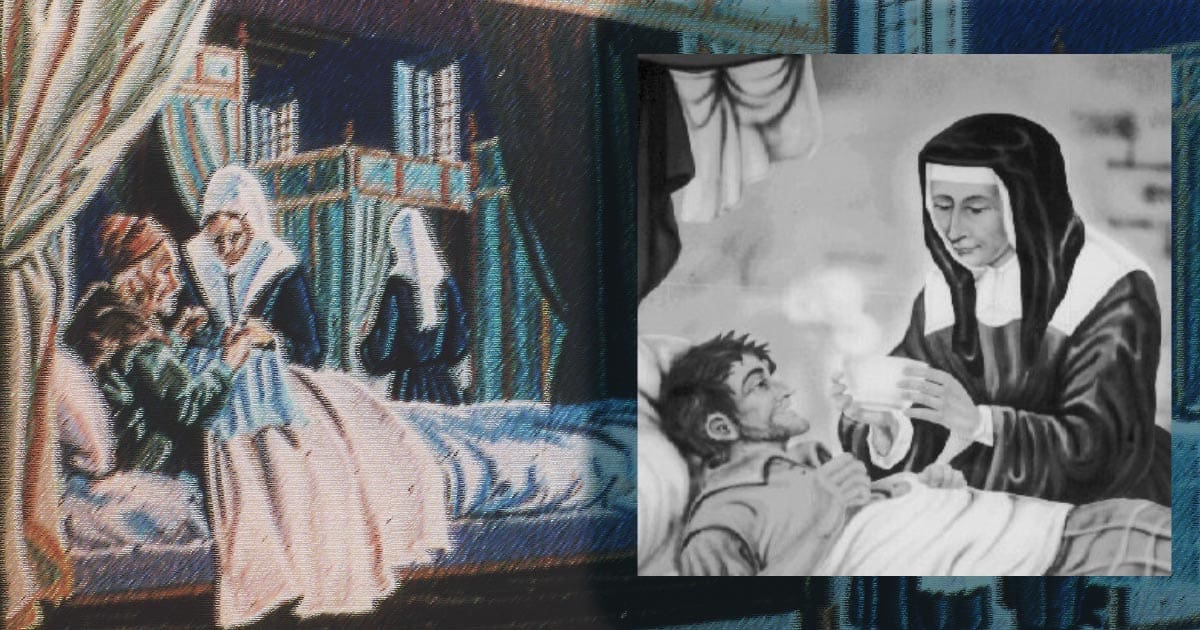
Louise de Marillac, awakened by her faith in a God who takes the side of the poor, sees the person in distress and takes action.
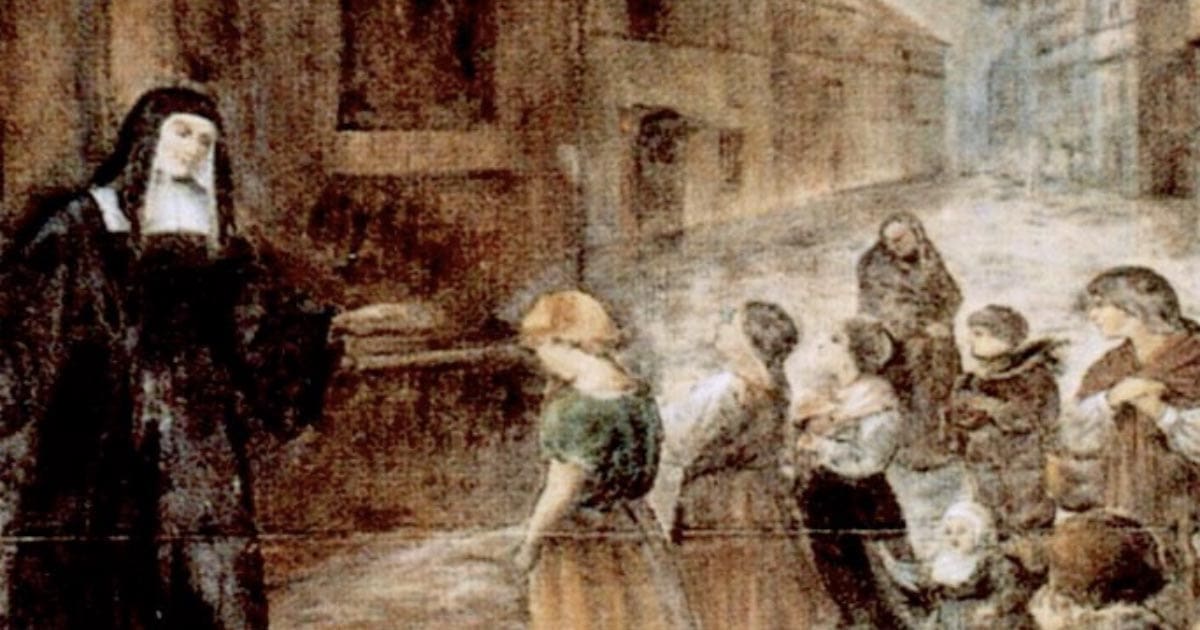
Louise de Marillac, awakened by her faith in a God who takes the side of the poor, sees the person in distress and takes action.
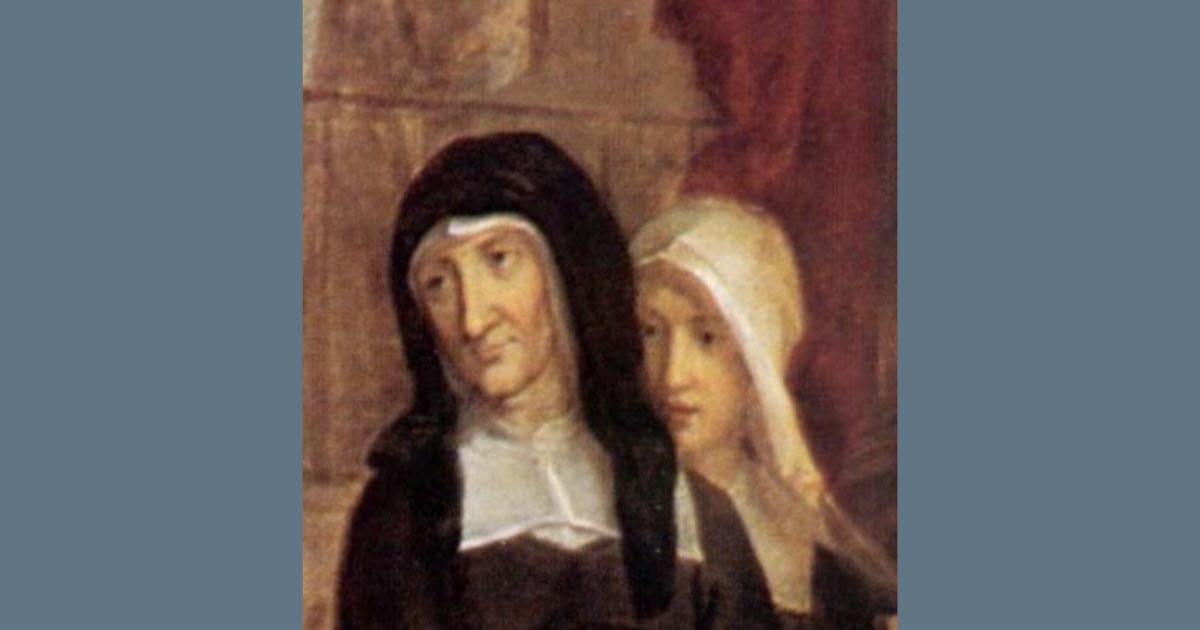
We can learn something by looking at the various stumbling blocks that St. Louise may have encountered.
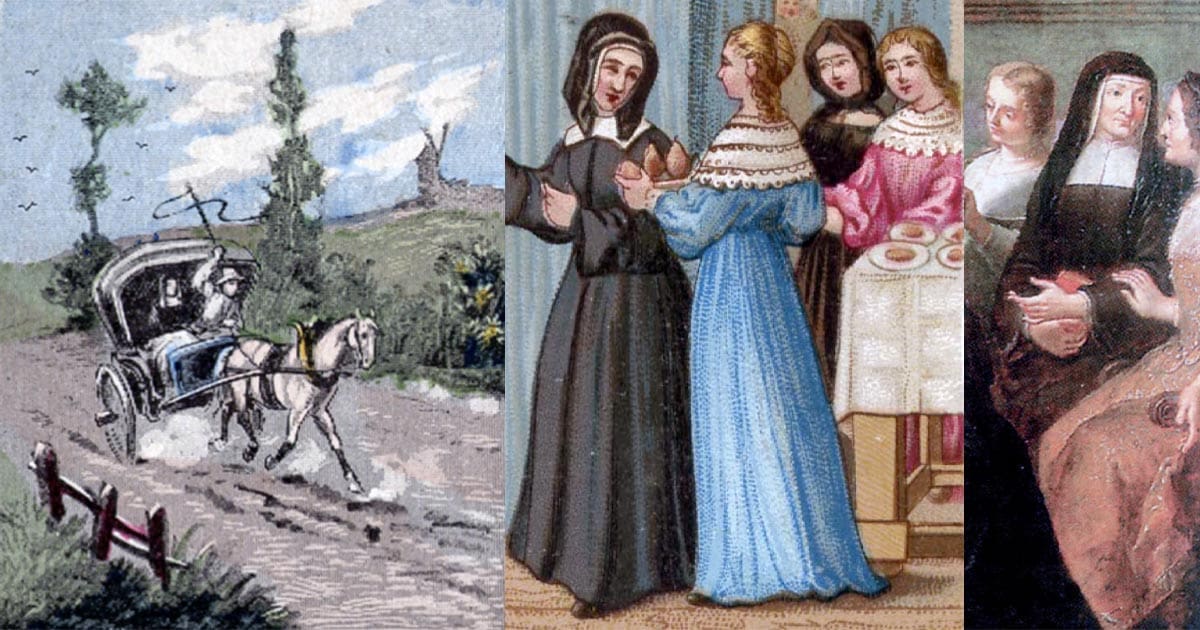
In May 1629, Vincent de Paul made a request of Louise de Marillac. Would she accept going to Montmirail to visit the Confraternities of Charity established in that town and the neighboring villages?
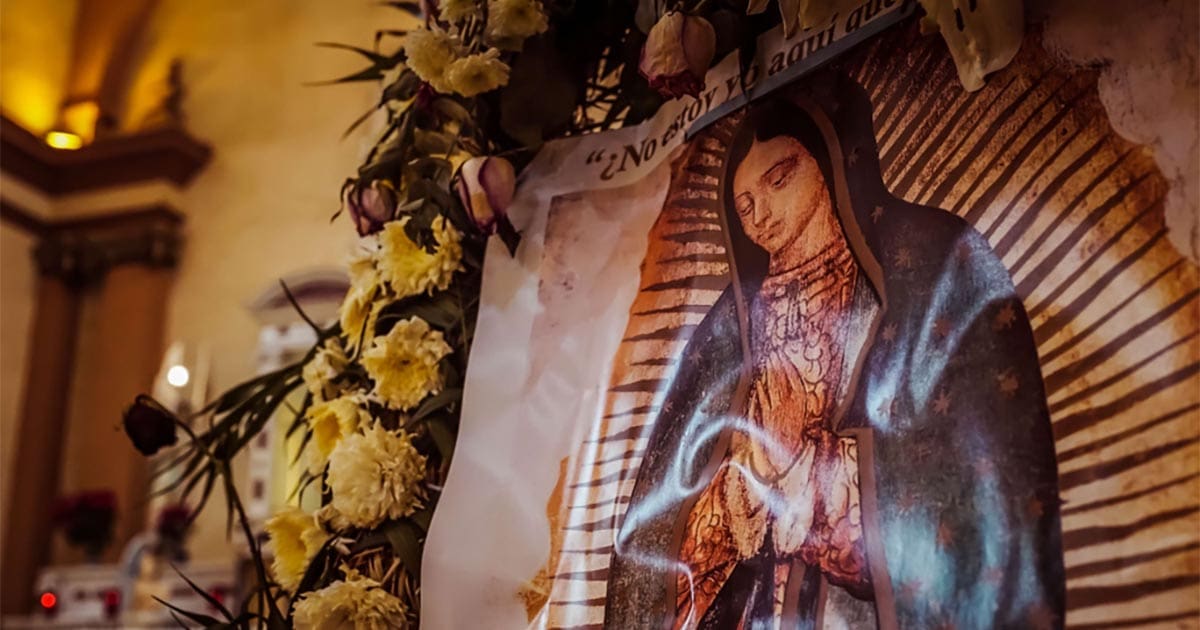
The presence of Mary is abundant, clear and solid in the experience of St. Louise and St. Vincent.
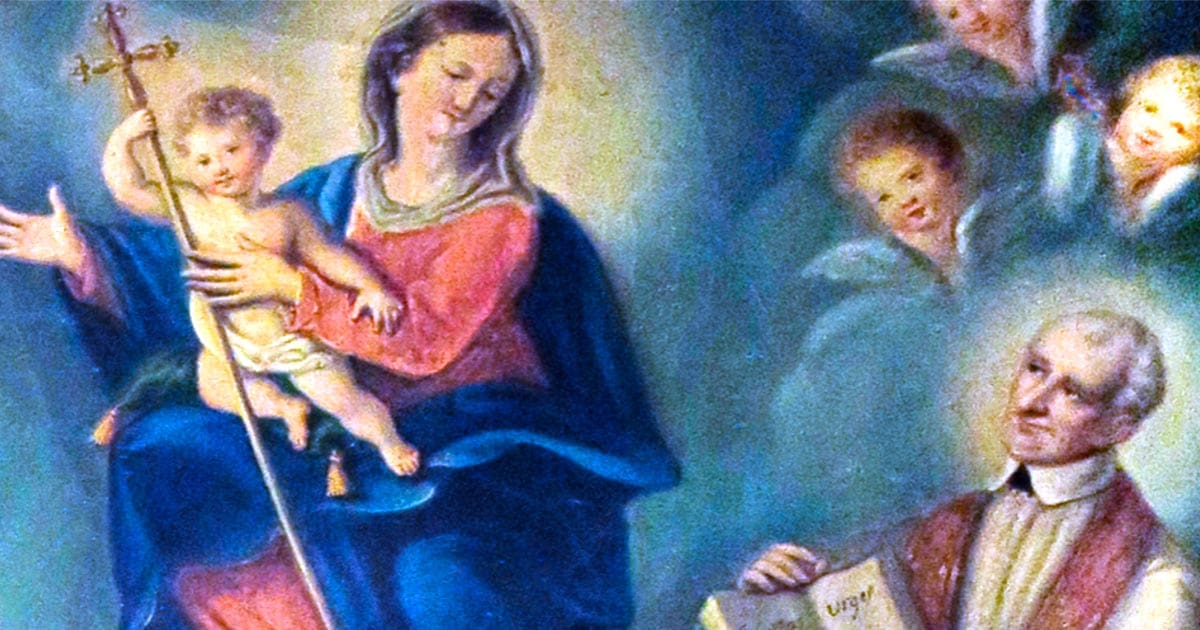
With the Solemnity of the Assumption of the Blessed Virgin Mary approaching, please enjoy this presentation based on the articles Marian Spirituality and the Vincentian Charism by Corpus Delgado, C.M., and The Blessed Virgin Mary in the Spiritual Experience of Saint...
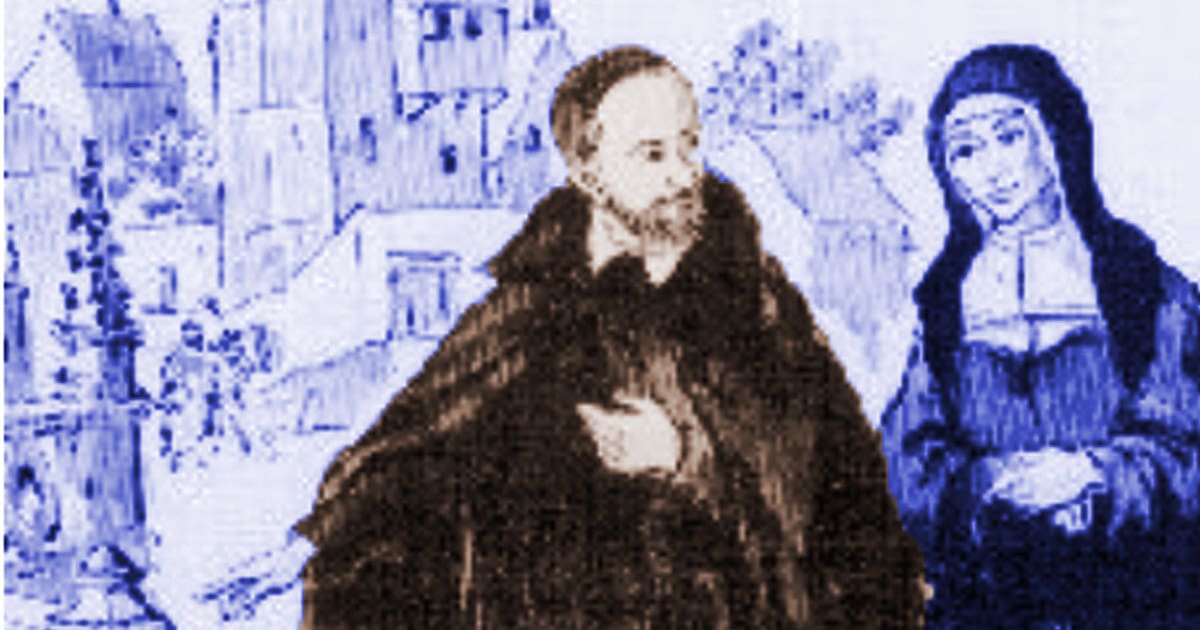
The relationship and collaboration between St. Louise, the Daughters of Charity, the Ladies of Charity, St. Vincent, and the Congregation of the Mission were precursors of today’s Vincentian Family.
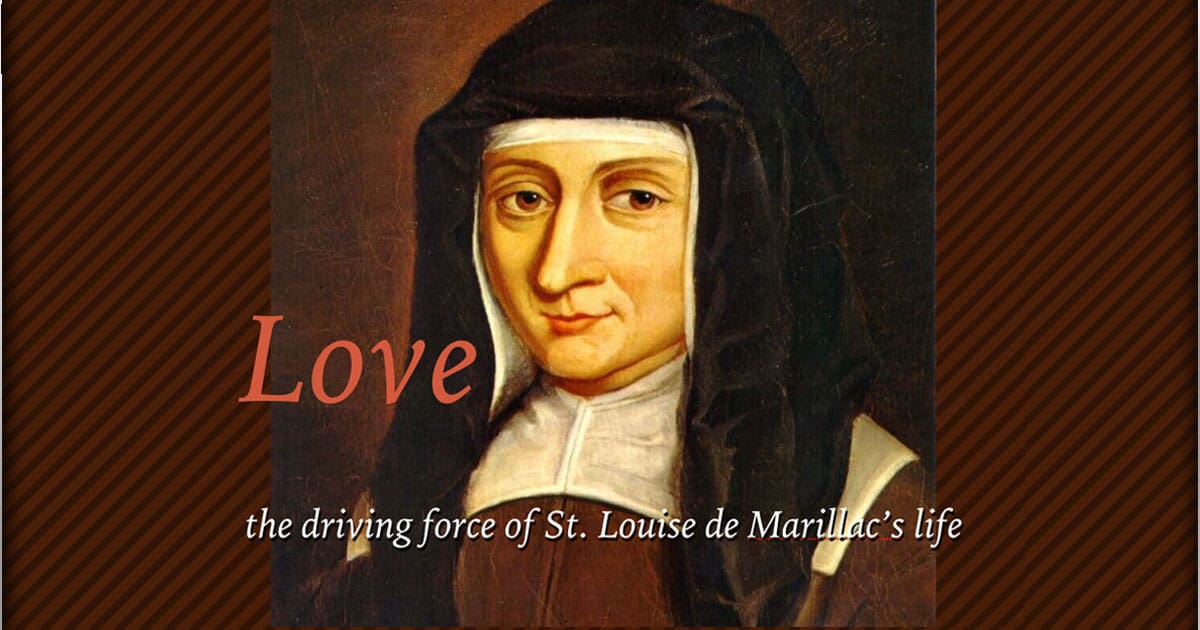
Slide presentation based on an article by Sr. Louise Sullivan, D.C.
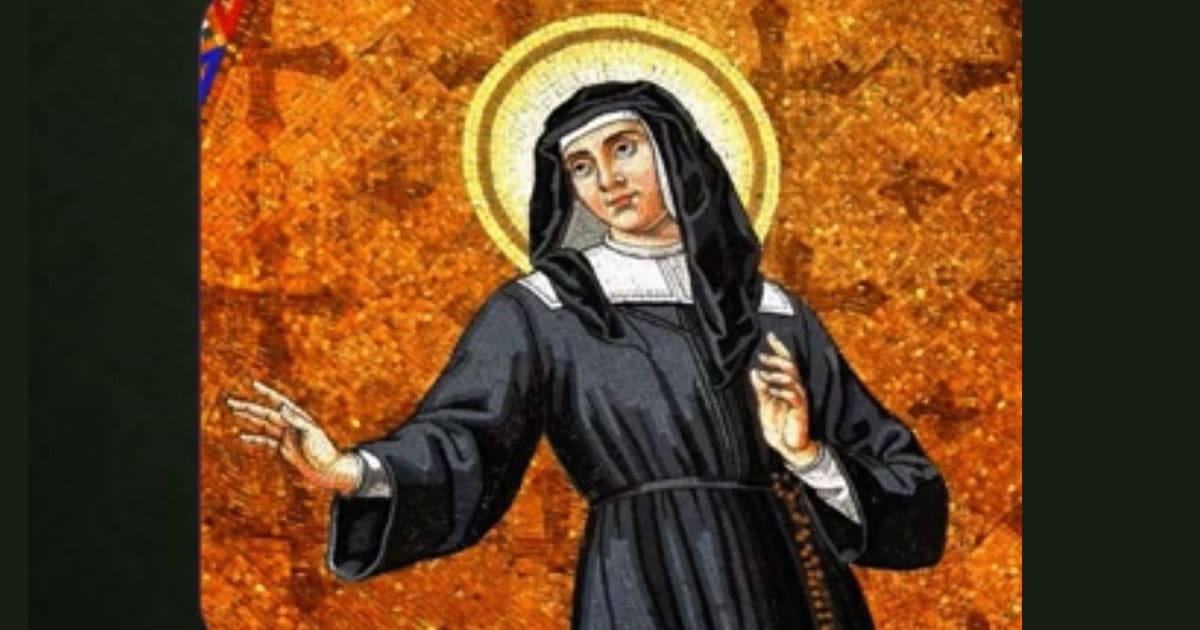
A video from the Daughters of Charity International.