To the question “how do you eat an elephant?” a wise man answered “one bite at a time.”



To the question “how do you eat an elephant?” a wise man answered “one bite at a time.”
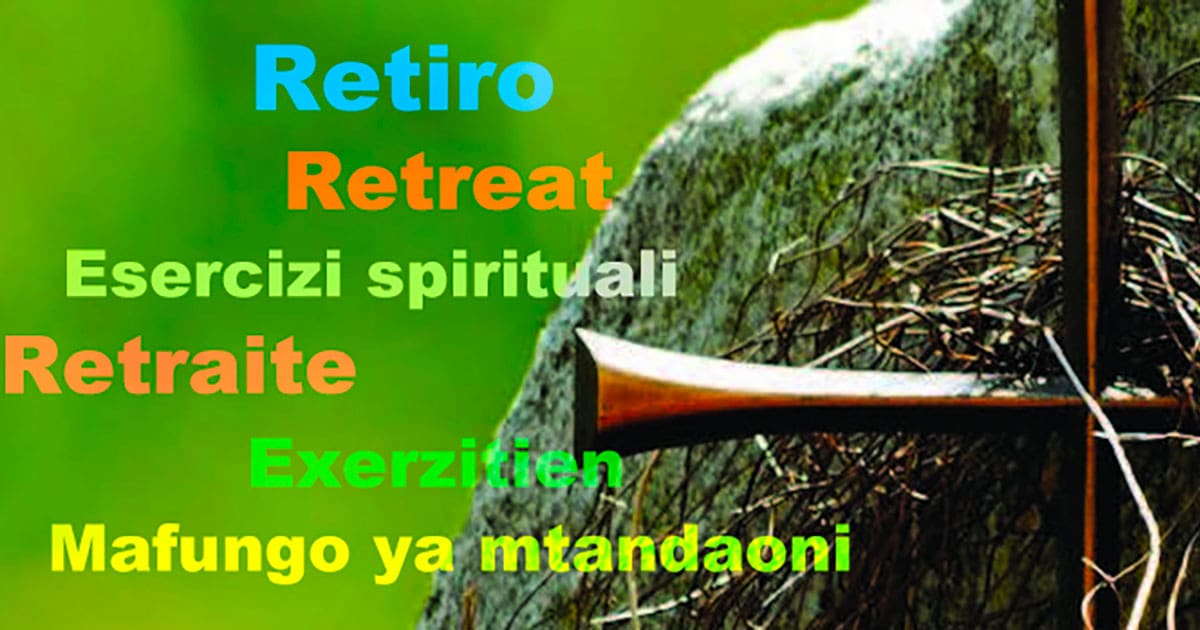
On the occasion of the feast of Pentecost 2023, an international team from different branches of the Vincentian Family have published a guide for a personal retreat that can be done over the course of five days.
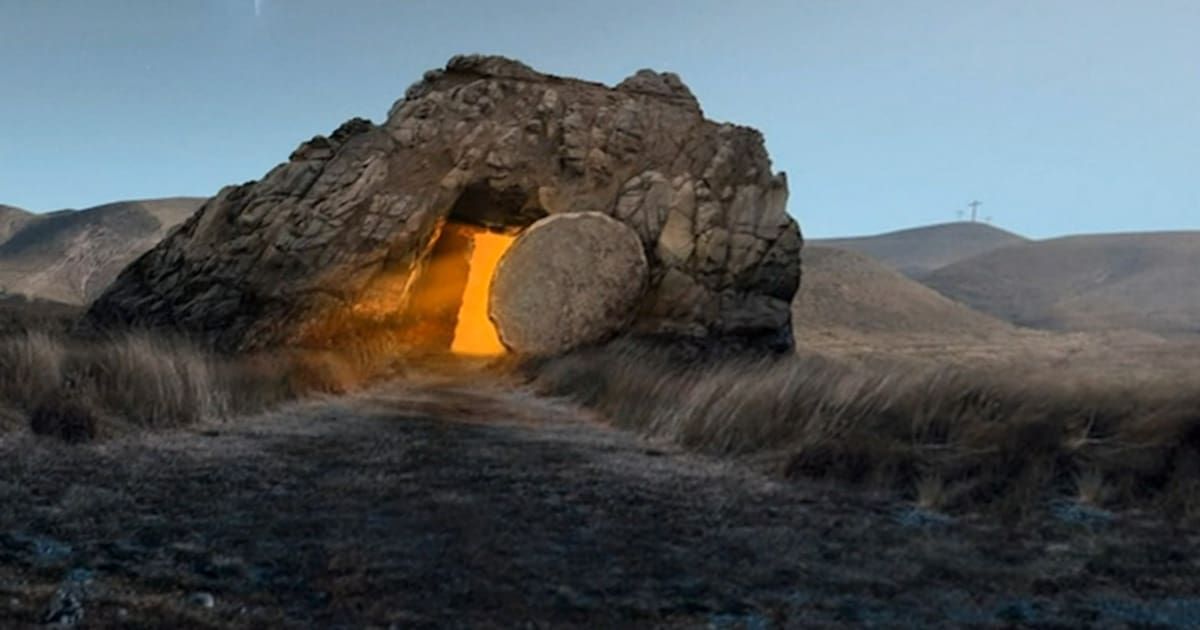
“Jesus, who was crucified, has risen as he said. Alleluia!”
Bro. René Stockman has written an Advent Letter to his Brothers, Associate Members and Collaborators in the Apostolate:

Pope Francis calls us to “build a better kind of politics”. The USCCB suggest almost a “12 step program” for building community as envisaged when we truly commit to what we pray for in the “Our Father.”
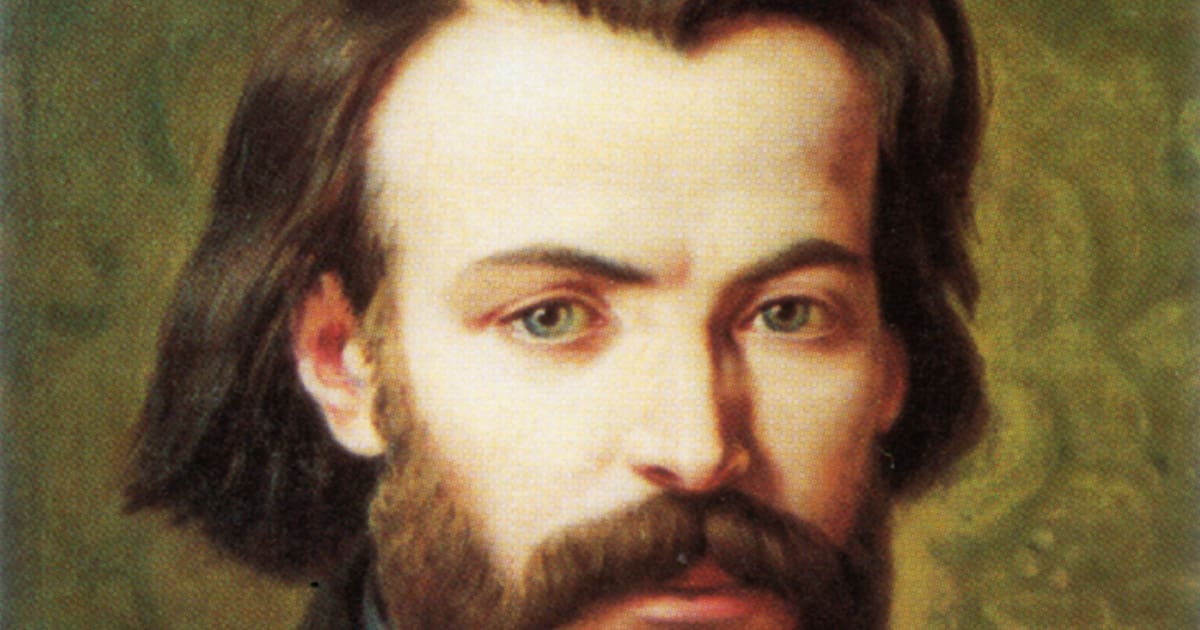
Every year, from September 1 to 9, people around the world are invited to say this novena prayer for Blessed Frédéric Ozanam.

Practical advice as we strive to follow in St. Vincent’s footsteps each day.
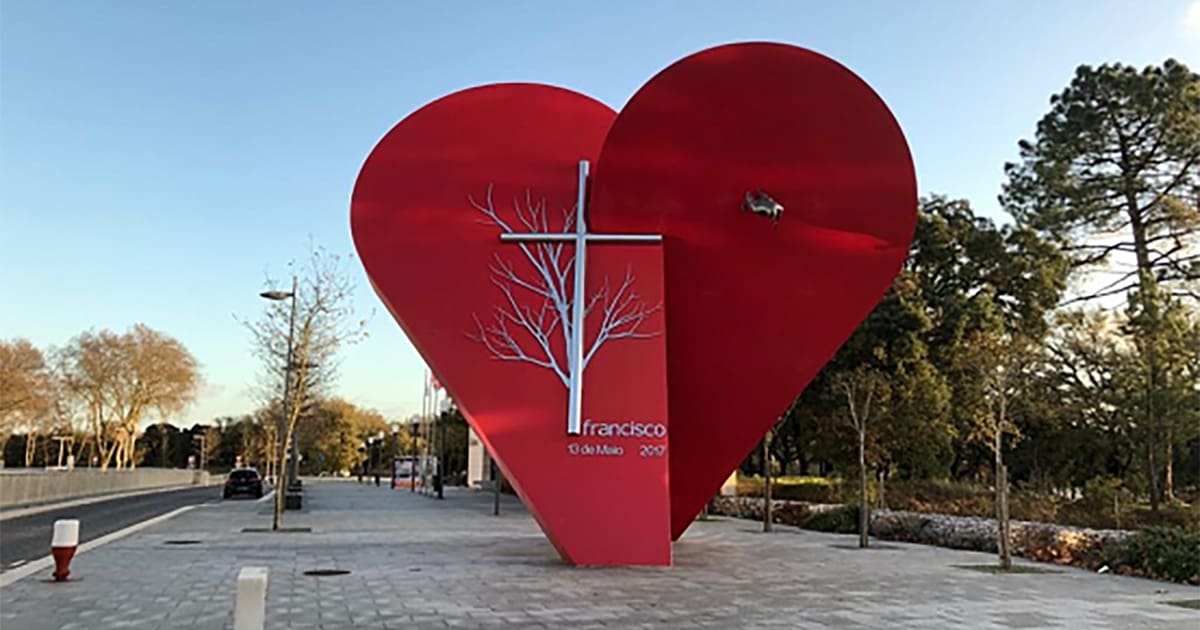
Fr Joseph J Arackal offers this Holy Cross Chaplet for Deliverance from Covid-19.
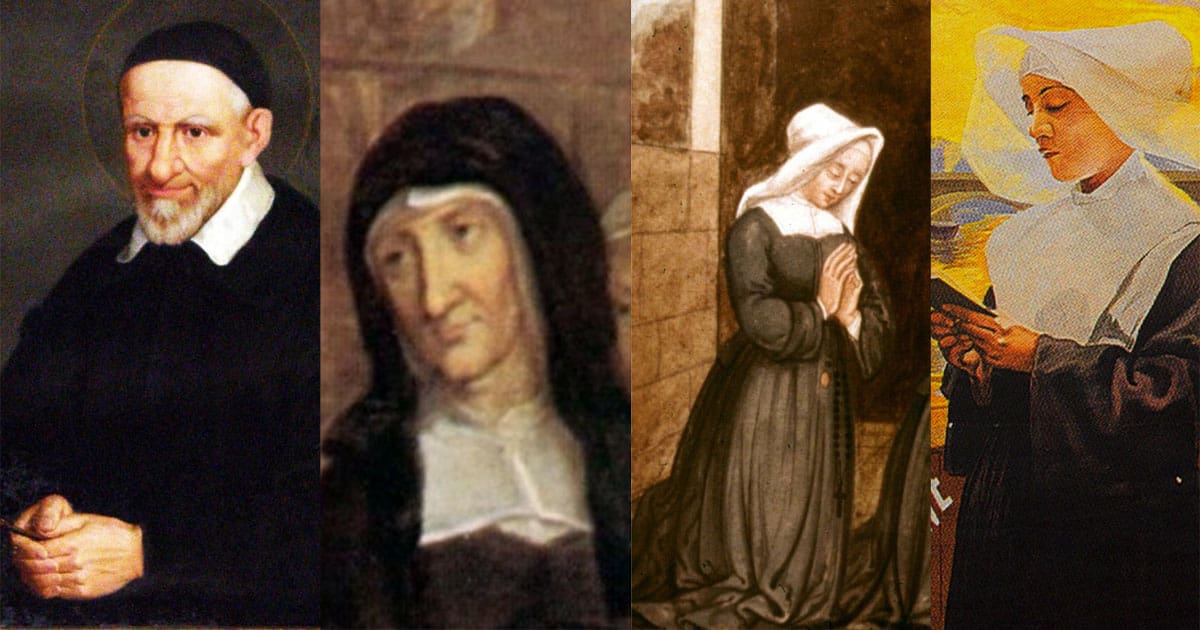
In 1657, St. Vincent wrote to St. Louise about how “to spend Advent well”.
On December 6, 2020 thousands of members of the Vincentian Family gathered together through the internet for a moment of prayer. This was an opportunity to give thanks to God and to express our hope as we approach anew the celebration of the birth of the Savior in the...
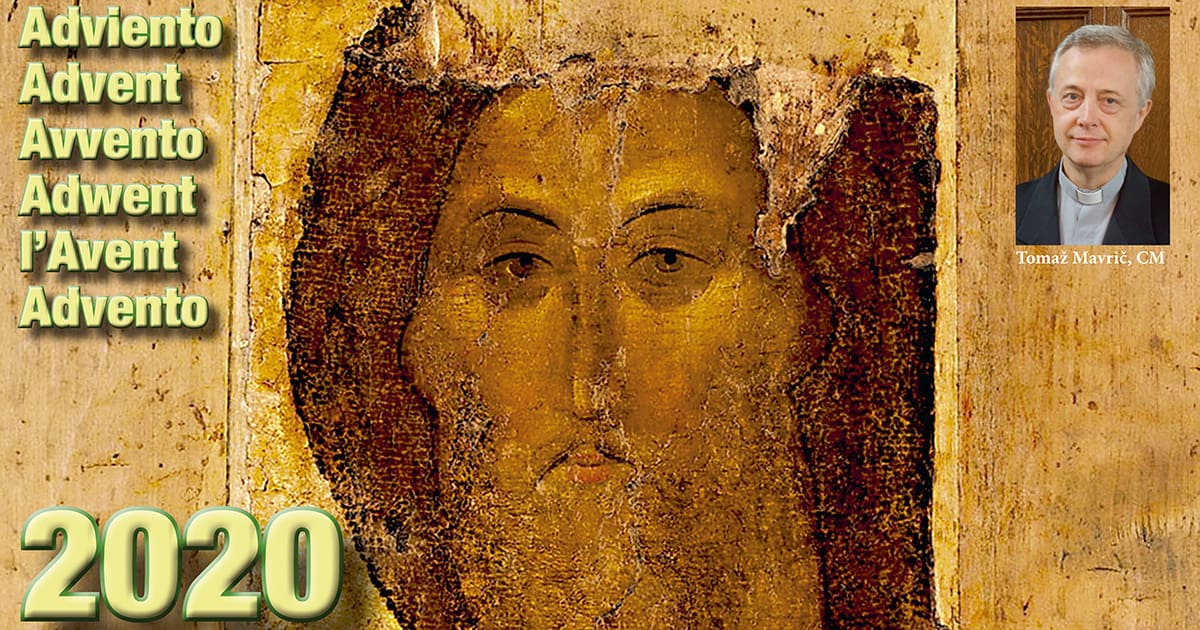
In the Advent letter of this year, “marked with so much suffering, anxiety, and fear,” Fr. Tomaž Mavrič, CM, the 24th successor of St. Vincent, invites us to fix our eyes on “Somebody who lives in us, whose Spirit fills every corner of our being.”
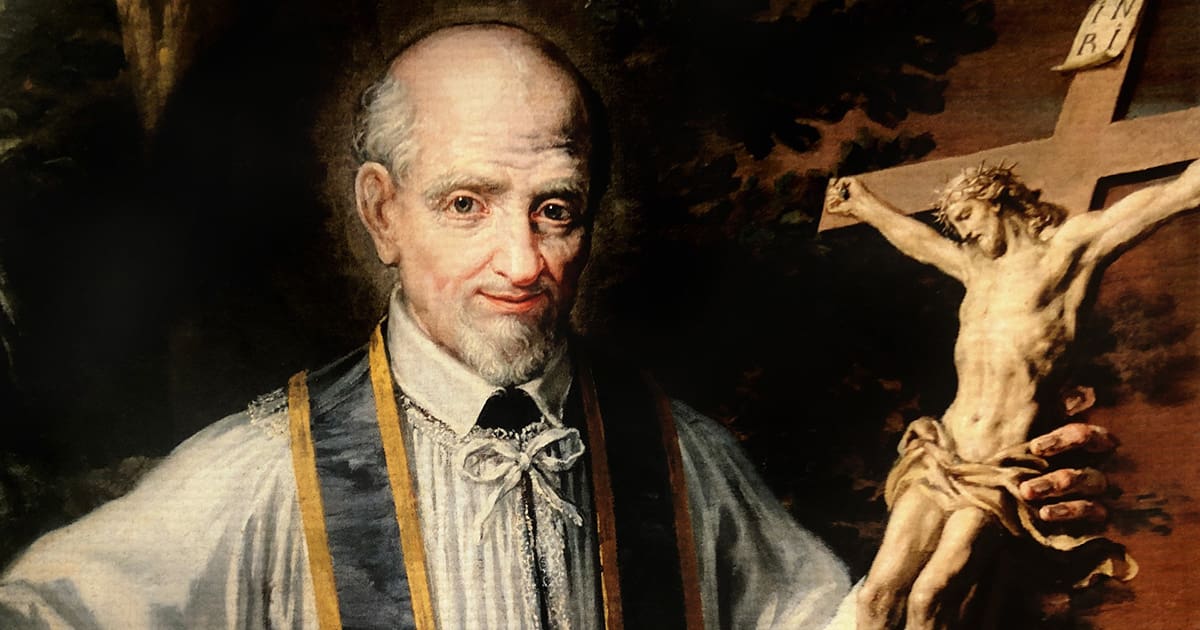
Part IV of “Prayer according to Saint Vincent de Paul”