It is only in my later years that I have realized how he has influenced the Church of today!
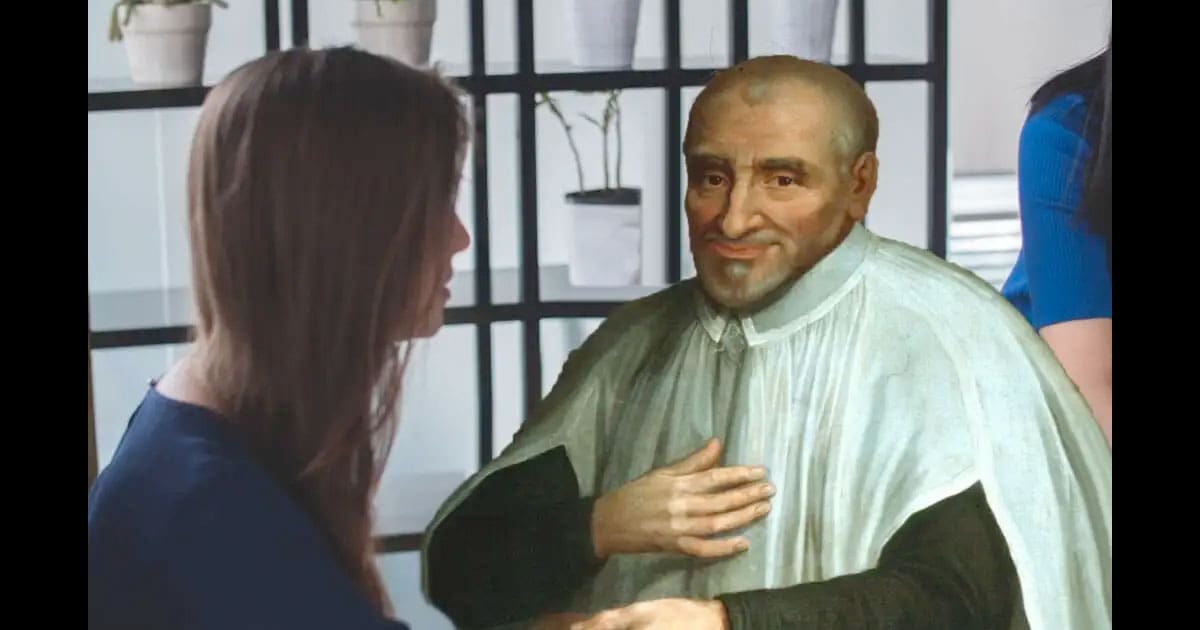

It is only in my later years that I have realized how he has influenced the Church of today!
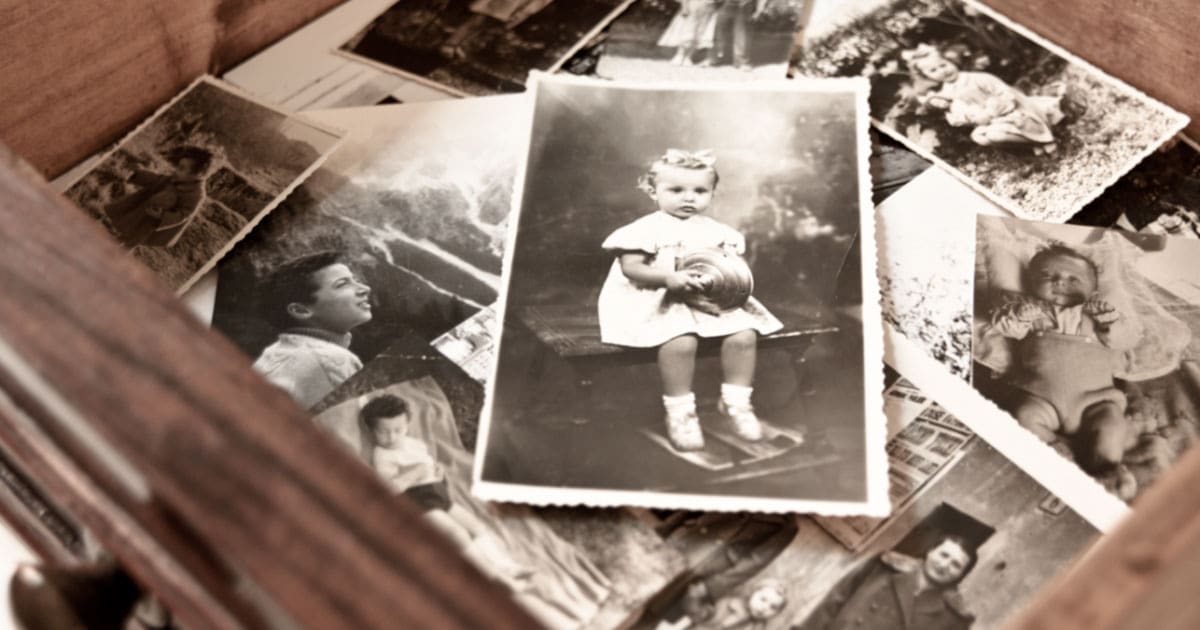
You all know what a scrapbook is. It is not about throwing away scraps. It is about keeping memories alive.

Oprah Winfrey got me thinking with two questions.
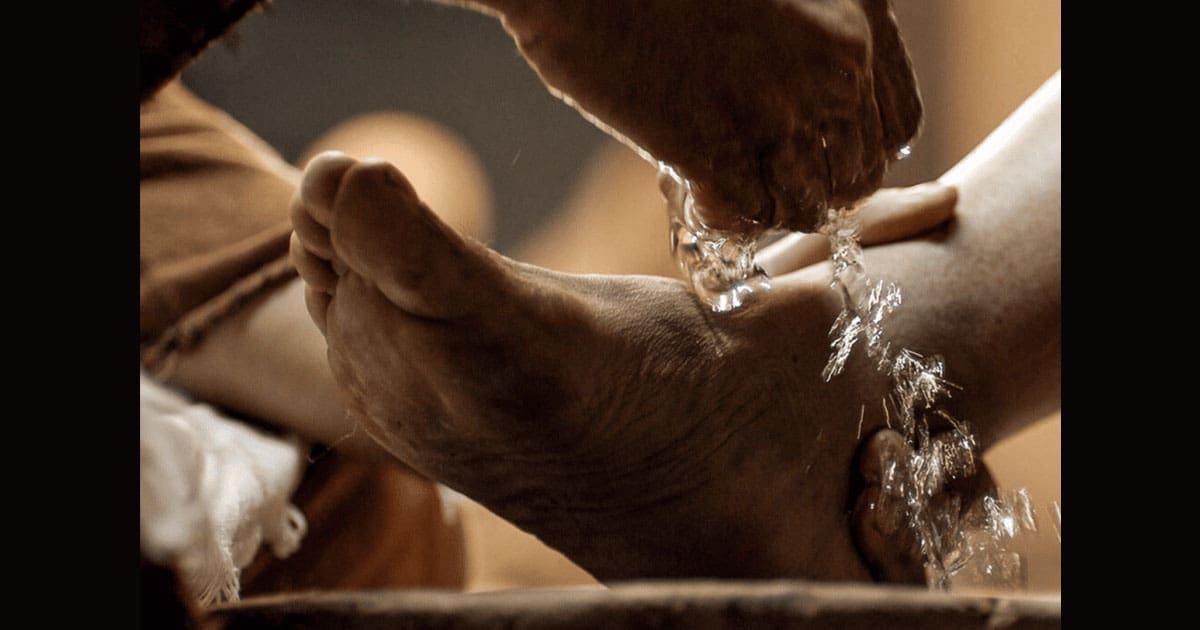
Do others experience God’s love for them mirrored by our lives? Is it any wonder that Jesus speaks of the final judgement in terms of what we do for the unrecognized, bruised and broken Christ in our midst?
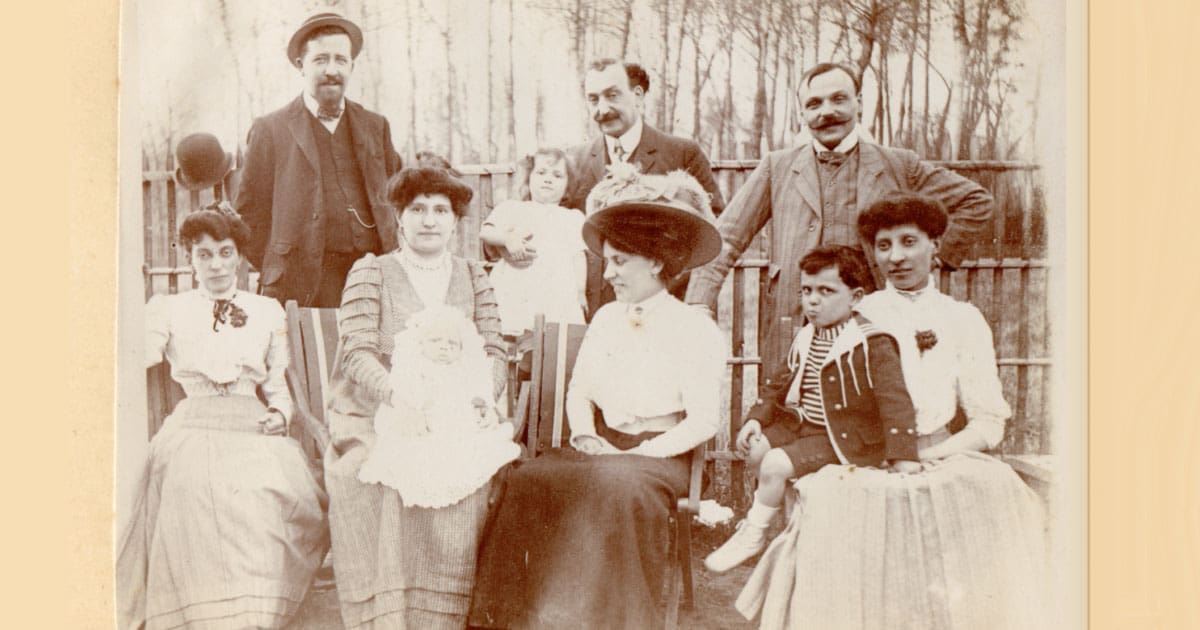
If we lose proof of who we are and the joys and sorrows of our lives, something very precious is gone.
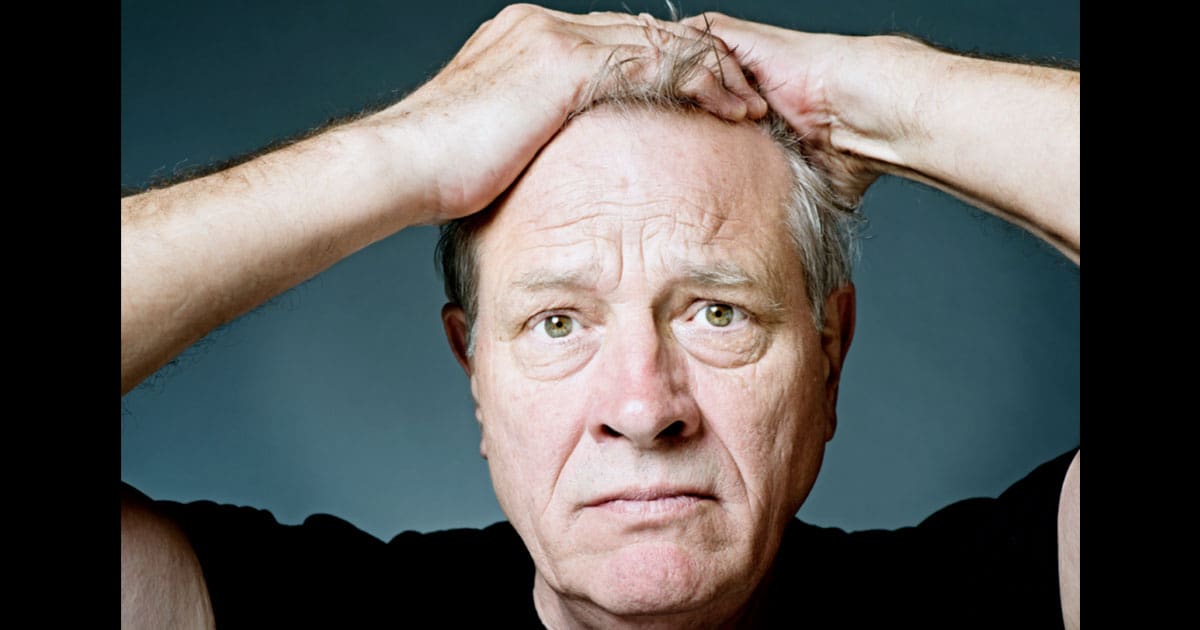
I need to remember that while I can’t do everything, I must do something.

Pope Francis, in “Envisioning and engendering an Open World,” presents a world where we move beyond the original fault of self-centeredness to recognizing the worth of every human person.

“Move us to create healthier societies and a more dignified world, a world without hunger, poverty, violence and war. May our hearts be open to all the peoples and nations of the earth.”

At the beginning of Lent, we have an opportunity to think about where we are heading on the journey of our life. In his Lenten letter, Pope Francis reminds us that Lent is a journey to Easter.
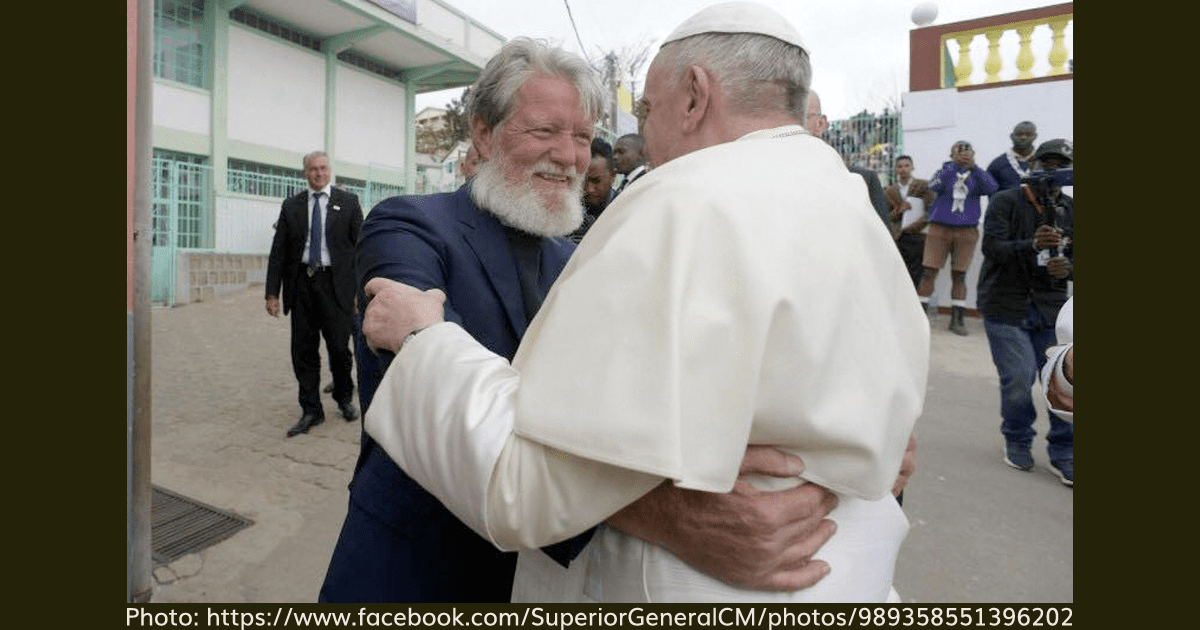
A Vincentian priest has made it his life’s work to “go out to the margins” of society and try to restore dignity to the “living scraps” of a “throwaway culture”. Pedro Opeka CM, has been nominated for the Nobel Peace Prize… again.
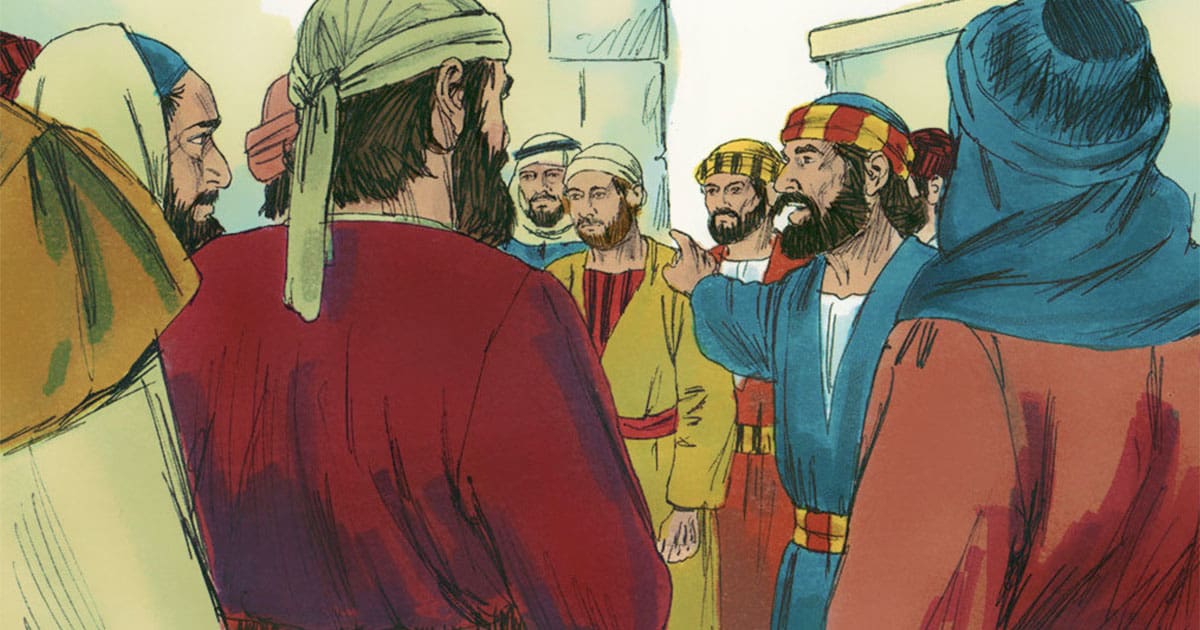
We often read Acts 6 with a focus on the institution of the diaconate without realizing that the underlying problem was one of race, class, etc. Let’s read Acts 6 as a solution to the identity politics in the early church.
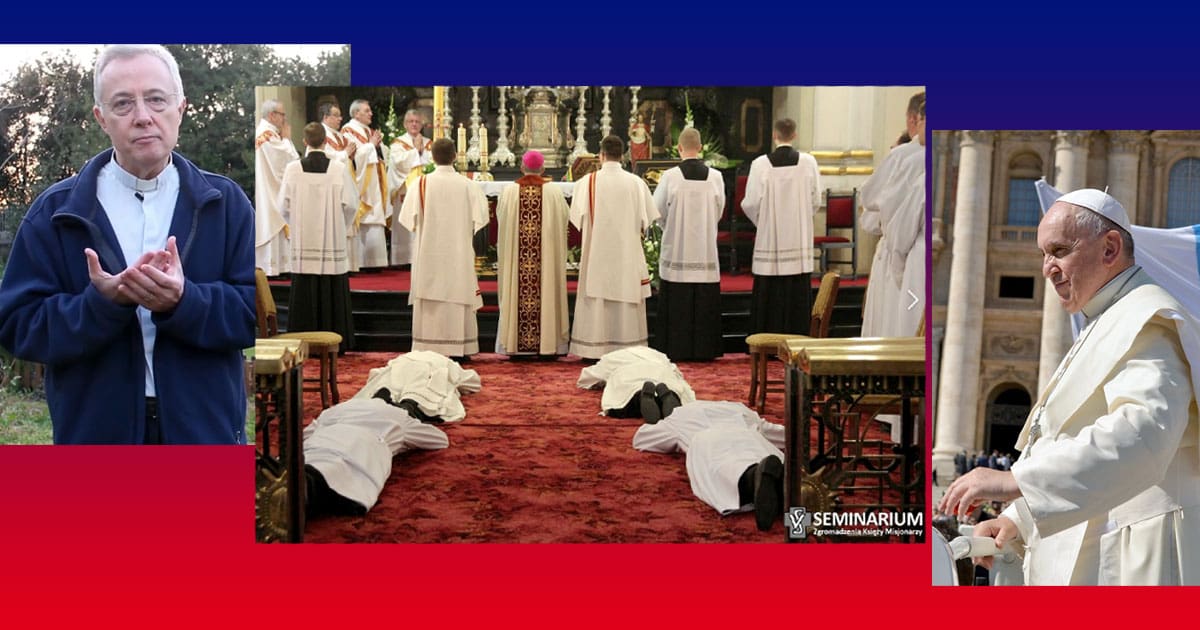
Both Pope Francis and our Superior General have written letters in advance of Good Shepherd or Vocation Sunday.. Read how keys points affected one Vincentian.