

Vincentian Family
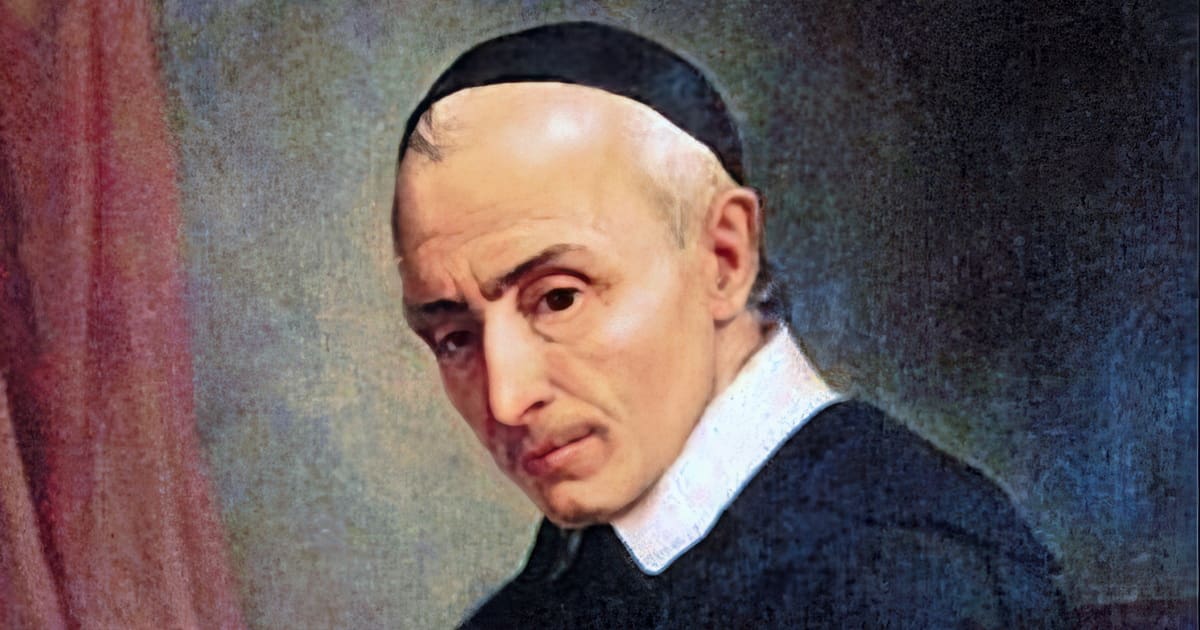
On December 10 We Celebrate the Feast of Blessed Marcantonio Durando
Marco Antonio Durando (1801-1880) was an Italian priest and missionary of the Congregation of the Mission. Dedicated to popular missions and caring for the most needy, he founded the Daughters of the Passion of Jesus the Nazorean to serve the sick and the poor.
Multi-Stakeholder Engagement: A Governance Approach Whose Time Has Come
Working on a variety of important issues through UN NGO committees has taught me several critical lessons, the most instructive of which is how addressing problems from a multi-stakeholder perspective can yield more positive outcomes. Why is this, and how is it particularly Vincentian?

Advent Letter 2024 by Fr. Tomaž Mavrič, CM
Saint Vincent de Paul taught that life should be a constant prayer, uniting the human heart with that of Jesus.
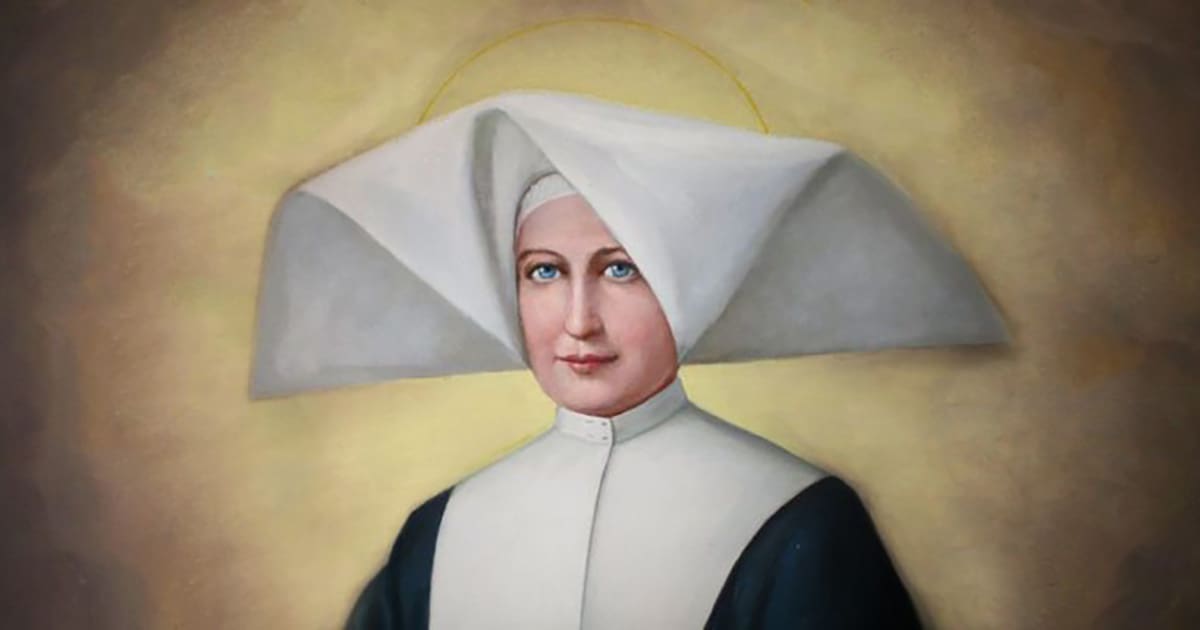
On November 28 We Celebrate the Feast of St. Catherine Labouré
St. Catherine Labouré, although favored with the apparitions of the Virgin Mary, led an obscure life of silent dedication as a Daughter of Charity, devoting herself to the service of the needy until her death in 1876.
An Urgent Crisis Requiring Global Unity
Every year, climate discussions at the UN grow more urgent as temperatures rise, extreme weather worsens, and vulnerable communities suffer disproportionately.

On November 23 We Celebrate the Feast of Blessed Enrichetta Alfieri
Blessed Enrichetta Alfieri lived a life shaped by deep spirituality and total dedication to serving society’s most marginalized. Her mission reached its peak within the walls of the San Vittore prison in Milan, where her work with inmates earned her the title “The Angel of San Vittore.”
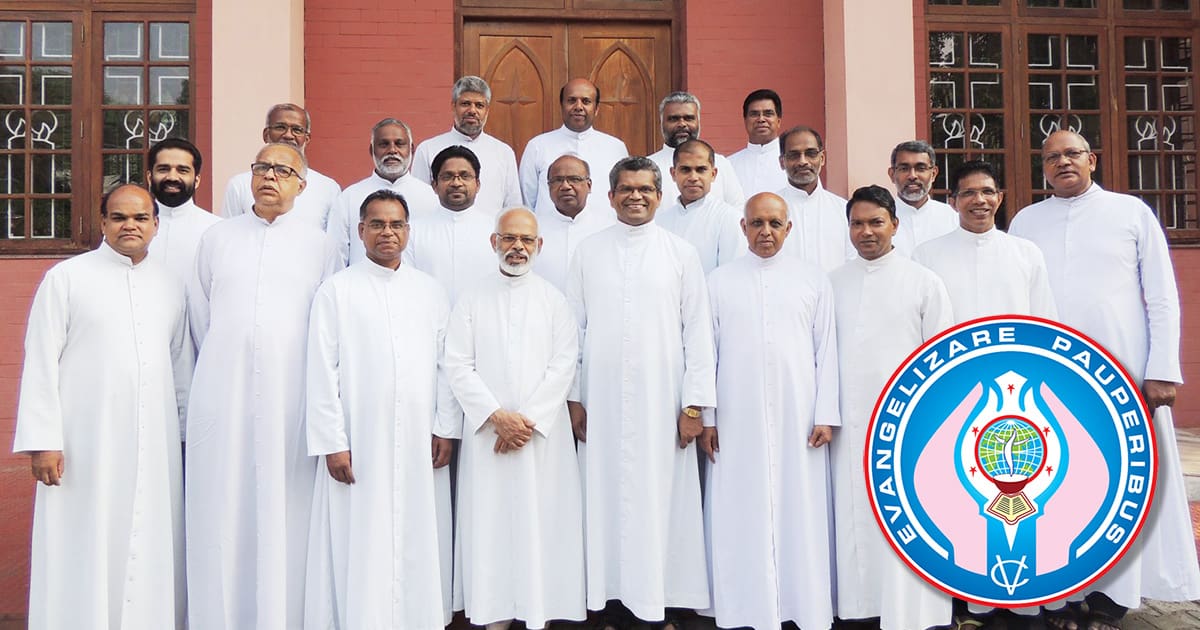
The Vincentian Congregation: A Mission Rooted in Charity and Service
The Vincentian Congregation, founded in 1904 in India by Father Varkey Kattarath, is a religious community inspired by St. Vincent de Paul, dedicated to evangelization, service to the poor, and spiritual renewal, with a mission rooted in charity and global outreach.
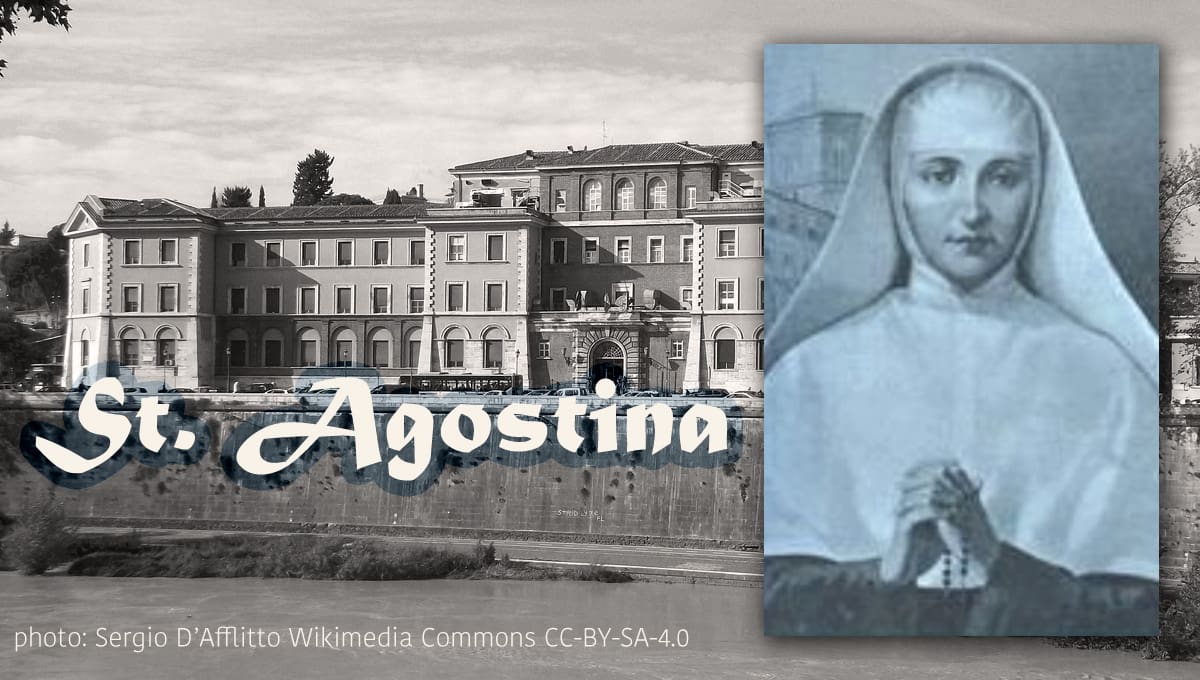
On November 13 We Celebrate the Feast of Saint Agostina Livia Pietrantoni
Saint Agostina Pietrantoni devoted her life to serving the sick and ultimately became a martyr of charity. Her example of selfless service, sacrifice, and love led to her canonization by Pope John Paul II in 1999, becoming the patron saint of nurses.
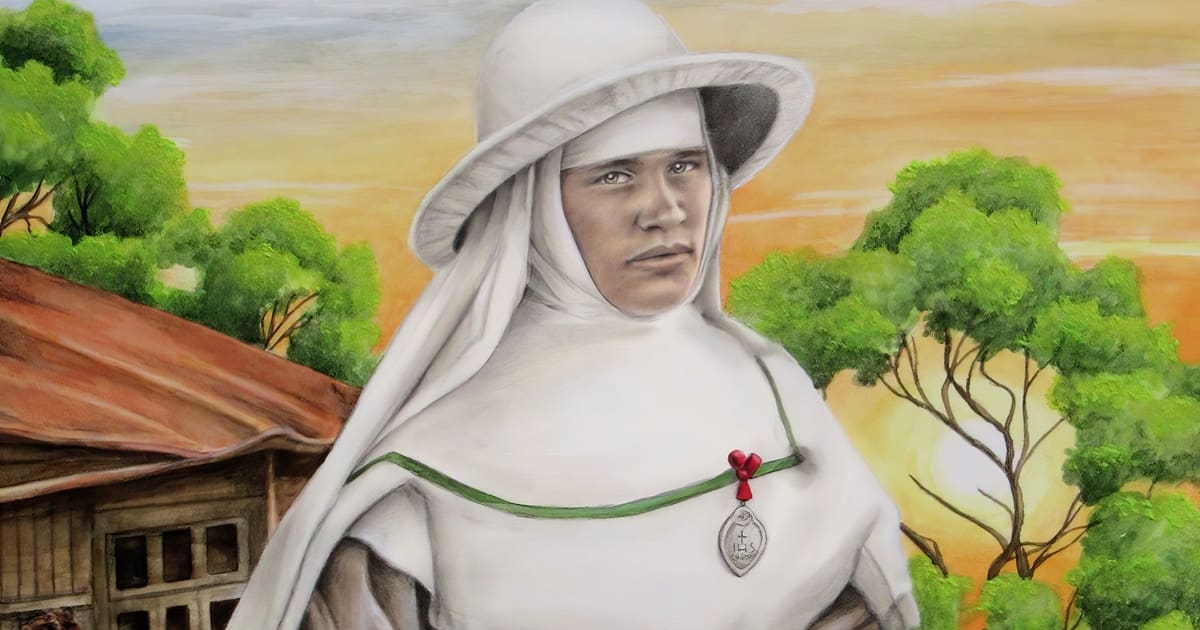
On November 13 We Celebrate the Feast Day of Blessed Maria Carola Cecchin
Blessed Maria Carola Cecchin was a nun of the Congregation of the Sisters of St. Joseph Benedict Cottolengo. Her life was characterized by a deep dedication to charity and missionary service, especially among the poor and sick of Kenya.
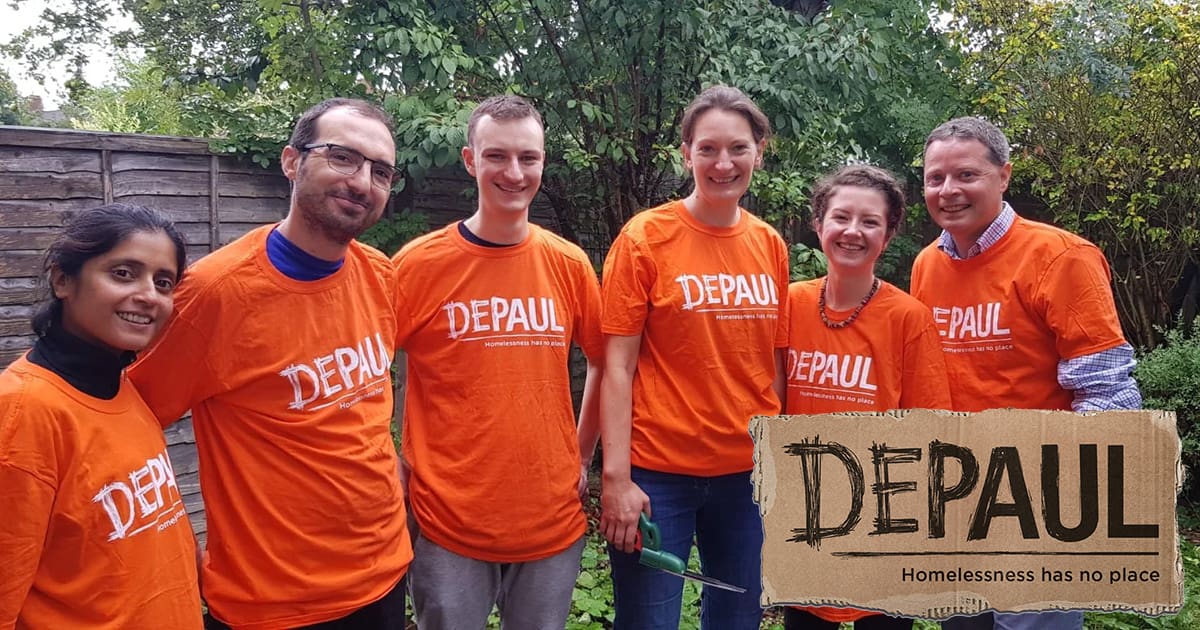
DePaul International: History, Mission, and Global Impact #famvin2024
DePaul International has grown from its humble beginnings in 1989 to become a global leader in the fight against homelessness. Its work, inspired by the values of St. Vincent de Paul, continues to transform lives by offering not only shelter but also the opportunity for individuals to regain their dignity, independence, and place in society.
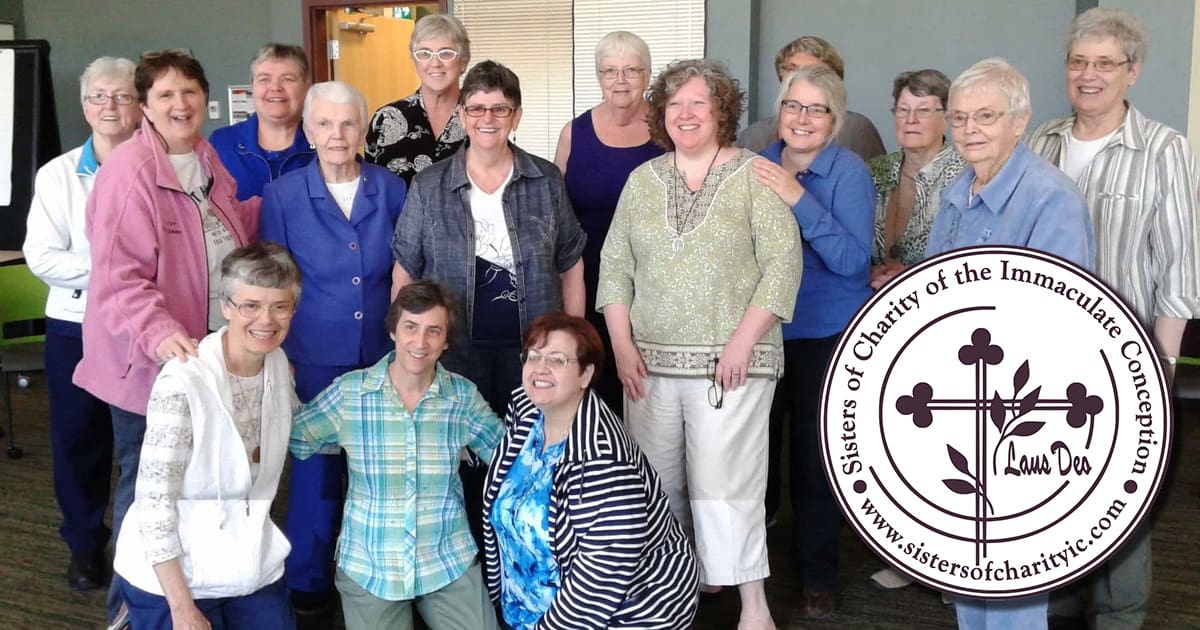
The Sisters of Charity of the Immaculate Conception: A Legacy of Service and Justice within the Vincentian Tradition #famvin2024
The Sisters of Charity of the Immaculate Conception, inspired by the Vincentian charism, are a congregation dedicated to education, healthcare, and social justice, serving the poorest and most marginalized with charity and compassion since their founding in Canada in 1854.
Make Room…Here Come The Young
The United Nations on September 20th had a very different feeling. Or vibe, as the younger generation would say.